
When to Visit Myrtle Beach: Best Times for Weather, Crowds & Deals
 Aug, 31 2026
Myrtle Beach Trip Planner
Answer three quick questions to find your ideal travel window.
Recommended Season:
Why this fits you:
Top Tip:
You’ve probably heard the hype. Myrtle Beach is a coastal playground in South Carolina that promises endless boardwalk fun, golf courses, and sandy shores. But here’s the thing: timing your trip can mean the difference between a relaxing vacation and a sweaty, crowded nightmare. Are you chasing warm waves or empty beaches? Looking for rock-bottom prices or perfect pool weather? The answer isn’t one-size-fits-all.
I’ve spent enough time on the Grand Strand to know that when you go matters just as much as what you do. Let’s break down exactly when you should pack your bags, depending on what kind of beach holiday you’re actually looking for.
Understanding the Seasons: A Quick Overview
Before we dive into specific months, it helps to understand the rhythm of this region. Myrtle Beach sits on the Atlantic coast, which means its weather is heavily influenced by ocean currents and seasonal shifts. The year splits into four distinct vibes, each with its own pros and cons.
| Season | Months | Weather Vibe | Crowd Level | Best For |
|---|---|---|---|---|
| High Summer | June - August | Hot (85°F-90°F), humid, frequent thunderstorms | Peak / Very High | Families needing school breaks, water park lovers |
| Shoulder Fall | September - October | Warm but cooling (70°F-80°F), lower humidity | Moderate to Low | Couples, retirees, golfers, budget travelers |
| Mild Winter | November - February | Cool (40°F-60°F), crisp air, occasional rain | Low / Very Low | Snowbirds, quiet retreats, event seekers |
| Spring Awakening | March - May | Pleasant (60°F-75°F), blooming flowers, breezy | Low to Moderate | Hikers, cyclists, early season beachgoers |
The Peak Season Trap: Why June to August Gets Complicated
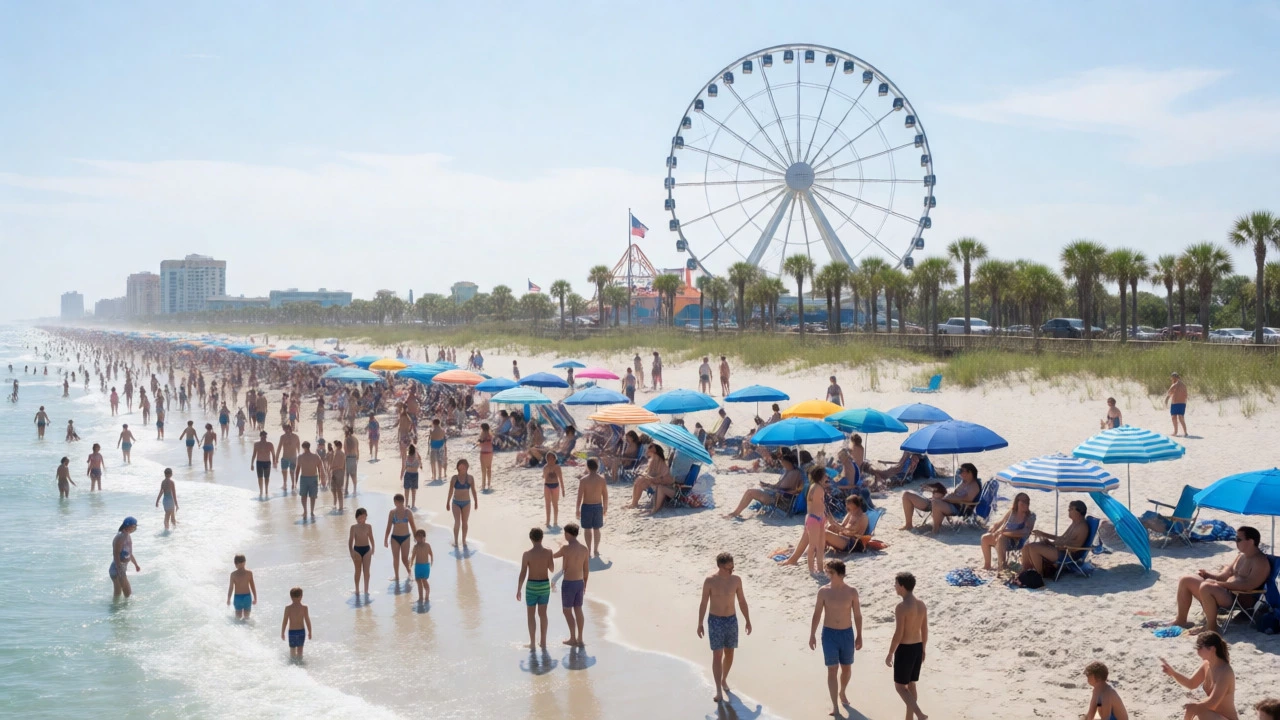
If you’re planning a trip during summer break, you need to manage expectations. From mid-June through August, Myrtle Beach hits its stride. The temperature hovers around 90°F (32°C) with high humidity that makes the air feel thicker than it is. You’ll get sun, yes, but you’ll also get daily afternoon thunderstorms that can dump two inches of rain in an hour.
Here’s the real kicker: the crowds. This is when families from all over the Southeast descend on the area. Traffic on Highway 17 becomes a crawl. Finding parking at popular spots like the SkyWheel or Broadway at the Beach feels like a competitive sport. If you hate waiting in lines for rides or struggling to find a patch of sand without setting up camp next to strangers, peak summer might test your patience.
That said, if you’re traveling with kids who are out of school, this is often the only time you can go. To survive it, book accommodations six months in advance. Look for hotels with indoor pools so you have a backup plan when those inevitable storms roll in. And please, bring plenty of sunscreen-the UV index is brutal.
The Sweet Spot: September and October
This is my personal favorite window. By September, the school rush is over. The humidity drops significantly, making outdoor activities actually enjoyable again. Temperatures stay in the comfortable 70s and low 80s (20s Celsius). The ocean is still warm enough for swimming because it retains heat from the summer, but the air is crisp enough that you won’t melt while walking on the boardwalk.
Why does this matter? Because you get premium experiences for less money. Hotel rates drop by 30% to 50% compared to July. Restaurants have shorter wait times. You can actually hear yourself think on the beach. It’s also prime time for events like the Myrtle Beach Bike Week or various food festivals that draw visitors but don’t overwhelm the infrastructure.
One caveat: hurricane season officially runs until November 30. While direct hits are rare, tropical systems can cause disruptions. Keep an eye on forecasts if you’re booking late September trips, but don’t let fear dictate your plans entirely. Most years, fall is calm and beautiful.
Winter Magic: When Quiet Meets Value
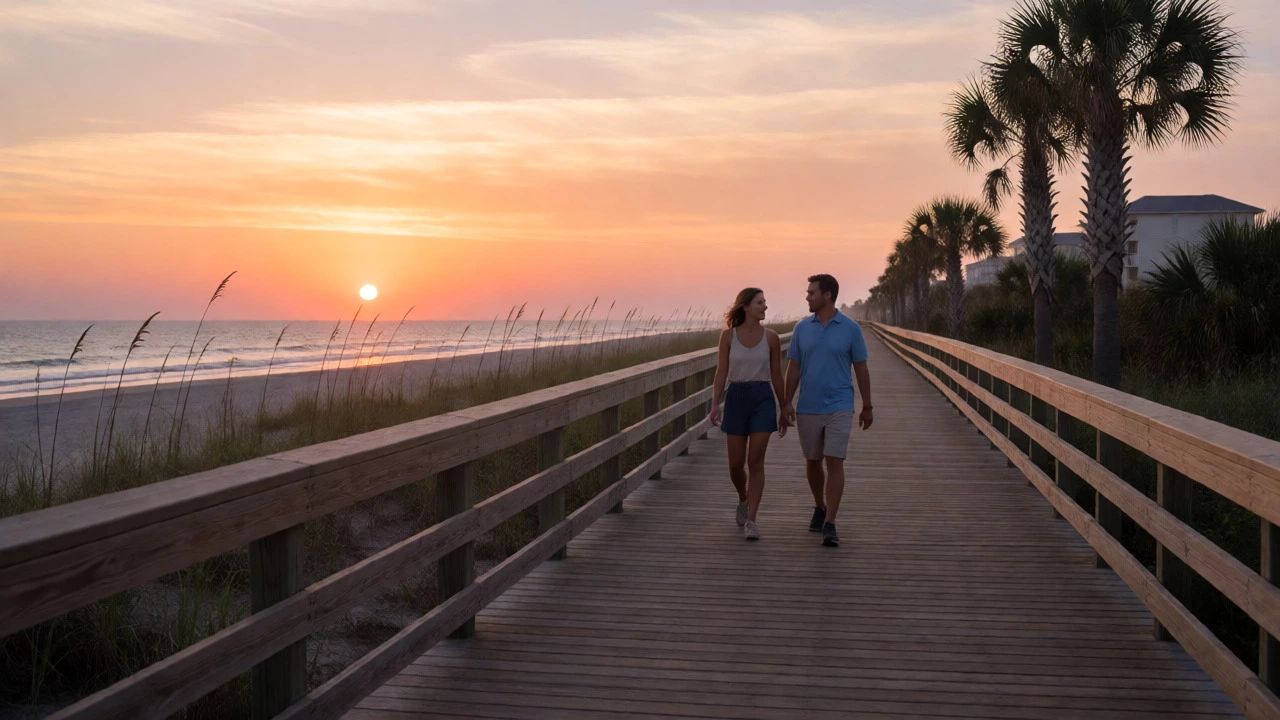
Most people think of Florida when they hear “winter escape,” but Myrtle Beach offers a compelling alternative for those who prefer cooler temps. From November to February, the average high is in the 50s and 60s Fahrenheit (10°C-18°C). It’s not tanning weather, but it’s jacket-and-jeans weather. Perfect for long walks, golfing without sweating, and enjoying empty restaurants.
This is when the “snowbird” community arrives. Retirees from the North flock here for extended stays, creating a lively social scene without the chaos of family vacations. If you’re looking for solitude, winter is unbeatable. You can rent a condo for a fraction of the summer cost. Some attractions close for maintenance, so check ahead, but major sites like Ripley’s Aquarium and the amusement parks usually remain open, albeit with fewer crowds.
Note that some businesses operate on reduced hours. If you’re coming for nightlife, verify that clubs are open before you arrive. But if you want peace, quiet, and incredible deals, winter is your best friend.
Spring Forward: March to May
Spring brings a fresh energy to the coast. Flowers bloom along the Intracoastal Waterway, and temperatures climb into the comfortable 60s and 70s. It’s ideal for active holidays-think biking the Coastal Greenway, kayaking in the marshes, or hiking nearby state parks.
May starts to see a uptick in visitors as Memorial Day approaches. If you want spring benefits without the pre-summer surge, aim for April. The weather is unpredictable sometimes-one day it’s 75°F and sunny, the next it’s 55°F and windy-but overall, it’s pleasant. Hotels begin raising rates in late April, so lock in your bookings by January if you’re targeting this window.

Budget Hacks: When Do Prices Drop?
Let’s talk money. Airfare and hotel prices follow demand curves. Here’s how to save:
- Book Early: For summer trips, secure lodging by February. Prices spike once school calendars release.
- Last-Minute Deals: In shoulder seasons (Sept/Oct) and winter, you can often find flash sales 2-4 weeks out. Apps like HotelTonight work well here.
- Avoid Holidays: Labor Day weekend, despite being end-of-summer, sees price surges similar to July 4th. Skip these dates if you can.
- Stay Off-Peak Days: Mid-week stays (Tuesday-Thursday) are consistently cheaper than weekends, even in busy seasons.
Remember, “cheap” doesn’t always mean good. A $50 room in January might be far from the beach and lack amenities. Weigh the location against the savings. Sometimes paying $20 more gets you walkable access to the boardwalk, saving you gas and hassle.
Special Events That Shift the Calendar
Myrtle Beach hosts major events that can fill the city regardless of the season. Knowing these helps you decide whether to join the fun or avoid the frenzy.
- April: National Bike Week draws thousands of motorcycle enthusiasts. Expect noise, traffic, and higher prices in certain areas.
- July 4th: Fireworks and parades make this the busiest week of the year. Book 6+ months ahead.
- October: Halloween Haunt at Family Kingdom Amusement Park attracts families seeking spooky thrills. Crowds spike on weekends.
- December: Christmas celebrations and New Year’s Eve parties create a festive atmosphere but also drive up accommodation costs.
If you’re sensitive to noise or crowds, check the event calendar before booking. Conversely, if you love festivals, aligning your trip with these dates adds value to your experience.
Final Verdict: Matching Your Trip to Your Goals
So, when should you go? There’s no single right answer, but there is a right answer for you.
Choose Summer (June-August) if you have children on break, prioritize water parks, and don’t mind heat and crowds. Choose Fall (September-October) if you want the best balance of weather, price, and crowd control. This is the sweet spot for most adults. Choose Winter (November-February) if you seek solitude, low costs, and mild (but not hot) weather. Choose Spring (March-May) if you enjoy outdoor activities like biking and hiking and want to catch the blooming scenery.
Myrtle Beach is versatile. Don’t let the “beach” label limit your perception. With the right timing, you can tailor the experience to fit your preferences perfectly. Plan wisely, and you’ll leave with memories instead of stress.
Is Myrtle Beach safe to visit during hurricane season?
Yes, generally speaking. Hurricane season runs from June 1 to November 30, with peak activity in August and September. While direct hits are relatively rare, tropical storms can cause rain and wind disruptions. Most resorts have solid infrastructure, and locals are well-prepared. Always monitor local weather forecasts closer to your travel date and consider travel insurance for peace of mind.
Can you swim in Myrtle Beach in the winter?
Technically, yes, but it’s cold. Ocean temperatures in December and January hover around 55°F-60°F (13°C-15°C). Most tourists opt for heated hotel pools or indoor water parks instead. If you’re brave and wearing a wetsuit, you can take a quick dip, but it’s not typical recreational swimming weather.
How far in advance should I book a hotel in Myrtle Beach?
For peak summer (June-August) and major holidays like July 4th, book 4-6 months in advance to secure good rates and availability. For shoulder seasons (Spring/Fall), 1-2 months is usually sufficient. For winter, you can often find last-minute deals 2-4 weeks prior, though desirable locations may sell out sooner.
Is Myrtle Beach expensive?
It varies wildly by season. Summer rates can rival luxury destinations, especially for beachfront properties. However, off-season prices are very affordable. Dining and entertainment costs are moderate compared to other US coastal cities. By visiting in the shoulder seasons, you can significantly reduce your overall trip budget.
What should I pack for a fall trip to Myrtle Beach?
Pack layers. Days can be warm (short sleeves), but evenings cool down quickly (light jackets needed). Bring swimsuits for daytime, but also long pants and sweaters for nights. Rain gear is wise due to potential autumn showers. Comfortable walking shoes are essential for exploring the boardwalk and shops.