
Where Do Most Singles Meet? The Ultimate Guide to Finding Love
 Mar, 30 2026
The Reality of Where Connections Happen
There is a persistent myth that you have to force yourself into crowded bars to find love, or that swiping endlessly on an app is the only way forward. In reality, the landscape of meeting people has shifted significantly over the last decade. When we look at the data, about half of successful heterosexual couples in recent years met through friends of friends or in everyday social situations. However, digital channels have surged to become the dominant introduction method for same-sex couples and increasingly for straight couples too.
Digital Dating Platforms are software applications designed to facilitate interpersonal relationships among users. The most prominent examples include Matchmaking Sites like Tinder, Bumble, and Hinge. These tools have democratized access to potential partners, removing geographical barriers that used to limit the dating pool. While convenience is high, the quality of connection often depends on profile optimization and honest representation rather than just luck.
Despite the rise of technology, organic encounters remain vital. Think about your weekly routine. The grocery store isn't usually known as a pick-up spot, yet regular visits create a 'mere exposure effect' where familiarity breeds comfort and conversation. Parks, gyms, and co-working spaces function similarly. They provide low-pressure environments where repeated interactions allow for the gradual building of rapport without the immediate pressure of a formal date.
High-Yield Social Environments
If you are tired of screens and want to step into the physical world, you need to identify environments where single status is either accepted or common. A bar on a Friday night works, but the noise levels and alcohol consumption can make genuine conversation difficult. Instead, consider third places-locations that are neither work nor home.
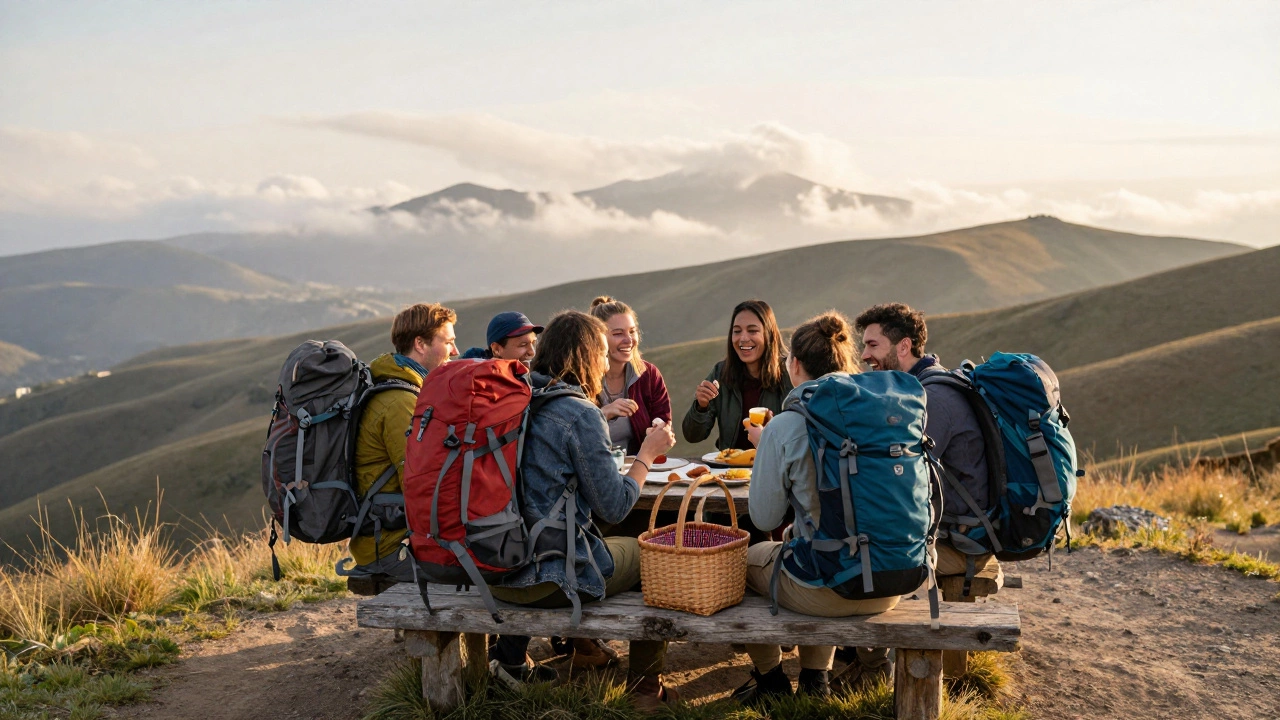
Social clubs offer structured ways to meet people with shared interests. Whether it is a hiking group, a book club, or a recreational sports league, these activities provide built-in icebreakers. You aren't just staring awkwardly across a table; you are collaborating on a hike or discussing a plot twist. Shared experiences release oxytocin, which fosters bonding faster than small talk over drinks ever could.
Here is a breakdown of typical venues and their effectiveness for starting relationships:
| Venue Type | Conversation Ease | Frequency of Visits | Success Rate |
|---|---|---|---|
| Friends of Friends | High | Occasional | Very High |
| Dating Apps | Moderate | Daily | Moderate |
| Hobby Groups | High | Weekly | High |
| Random Encounters | Low | Rare | Low |
Note that "Friends of Friends" consistently ranks highest because trust is already pre-established through mutual connections. This reduces the perceived risk of interacting with a stranger. If you can leverage your network, ask trusted friends to host casual gatherings rather than large parties. Smaller dinners or house warmings encourage one-on-one mixing rather than getting lost in a crowd.

Leveraging Travel for Romance
This is where many people overlook a massive opportunity. Travel changes your baseline personality. You are more open, adventurous, and willing to take risks when you are away from your usual environment. Furthermore, being in a tourist mode gives you permission to approach strangers who are also alone.
Travel Group Tours are organized trips led by guides for groups of unrelated travelers. They range from budget backpacking tours to luxury expedition cruises. For singles, these are uniquely effective because the group dynamic is inherently social. You share accommodations, meals, and activities, creating rapid intimacy that takes months to build at home.
Hostels represent another tier of this dynamic. Specifically, hostels with communal kitchens and organized evening activities cater to a younger, solo demographic. Many hotels now organize 'single mixers' or 'singles dinner nights.' If you are booking a solo trip for yourself, look for itineraries that emphasize group interaction rather than independent sightseeing. Even on standard vacations, joining day-tours creates a captive audience of people with similar schedules.
The Workplace Paradox
We spend roughly one-third of our waking lives working. Statistically, this makes it a prime location for meeting partners, yet office romances are often fraught with policy restrictions. Professional networking events differ from internal office parties. External industry conferences, workshops, or volunteer boards are excellent grounds for meeting compatible peers who share career ambition and values.
Just remember to distinguish between a colleague you know professionally and a potential partner. The power dynamics shift when romance enters the mix. Generally, it is safer to pursue relationships with people from different companies in your industry or through external professional organizations. This keeps the work environment separate from personal drama.
Volunteering and Community Action
For those whose values are centered around giving back, charity work is more than just good karma-it's a filter for compatibility. You instantly learn what motivates a person when they are working side-by-side for a cause. Food banks, animal shelters, and community gardens attract individuals who prioritize service.
Volunteer Organizations are groups dedicated to non-profit activities. Engaging with them provides a steady stream of social interaction based on shared ethics. Unlike a coffee shop where people come and go, volunteers often form long-term teams. This stability allows slow-burn connections to develop naturally over time without the pressure of traditional dating.
Digital Hygiene for Online Meetups
Since online dating remains a primary tool, knowing how to transition the digital connection to a physical meeting is crucial. The average lifespan of an online conversation before a meeting is arranged is surprisingly short. Waiting weeks to meet can lead to 'textual burnout' where the fantasy of the person differs from reality.
Maintain safety boundaries. Always meet in public places for the first few dates. Coffee shops are ideal-they are neutral ground and easy to leave if things don't click. Be direct about your intentions; stating you are looking for a serious relationship filters out those seeking casual arrangements immediately.
In the end, the best place to meet is simply where you spend your time. Increasing your visibility in healthy social circles is more effective than waiting for lightning to strike. Consistency matters more than intensity. Showing up regularly to the same hobby class, gym, or community event signals availability and reliability to others in that space.
What is the best way to meet someone organically?
The most organic way to meet someone is through shared activities where conversation flows naturally, such as classes, volunteer groups, or hobby clubs. Mutual friends also provide a trusted pathway for introductions.
Are dating apps actually effective for finding relationships?
Yes, despite their reputation. Current data suggests a significant portion of new relationships begin online. Success comes from having a high-quality profile and moving to an in-person meeting quickly.
Is it better to travel alone or with friends when looking for love?
Travelling alone often opens more opportunities for connection. Joining group tours or staying in social accommodation like hostels makes it easier to interact with other solo travelers compared to travelling with your own support bubble.
How often should you attend social events to increase chances?
Consistency is key. Attending one event a week increases visibility. People tend to recognize faces after three or four exposures, which lowers social barriers when you eventually speak.
Can workplace friendships turn into relationships?
While statistically common, they carry risk. External professional networking or connecting with colleagues from different departments is generally safer and less complicated than close peer relationships.