
Where in England Should You Go on Holiday? A Guide to the Best Spots
 Sep, 28 2026
England Holiday Matchmaker
Answer a few quick questions to find the best region for your next break.
Choosing where to go on holiday in England feels a bit like trying to pick your favorite child. There is so much packed into one small island that you end up paralyzed by choice. One minute you are dreaming of rugged coastlines in Cornwall, and the next you are picturing the industrial chic of Manchester or the quiet villages of the Cotswolds. The truth is, there is no single "best" place. It depends entirely on what kind of break you need right now. Do you want silence and stars? Or do you want museums, curry houses, and nightlife?
| Region | Best For | Travel Time from London | Budget Level |
|---|---|---|---|
| Cornwall | Beaches, surfing, foodies | 4-5 hours (train/car) | Medium-High |
| Lake District | Hiking, nature, dog owners | 3-4 hours (train) | Medium |
| Yorkshire Dales | Romance, history, stargazing | 2-3 hours (train) | Low-Medium |
| Oxford & Cotswolds | Culture, architecture, luxury | 1-2 hours (train) | High |
| Norfolk Broads | Boating, wildlife, slow travel | 2 hours (train) | Medium |
The Coast: Why Cornwall Still Wins for Sun and Sea
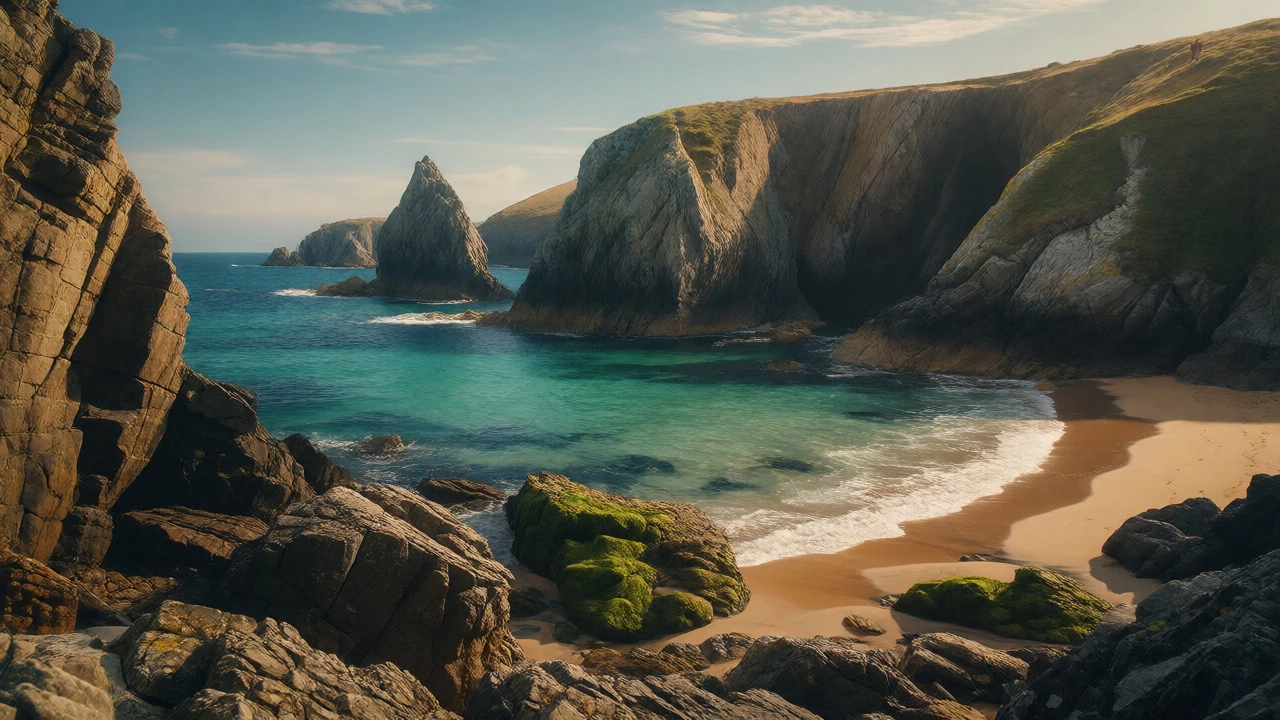
If you crave the feeling of being abroad without leaving the country, Cornwall remains the heavyweight champion. It has a distinct cultural identity, separate from the rest of England, which adds to the allure. The beaches here are not just sandbars; they are dramatic coves with turquoise water that looks suspiciously like the Mediterranean. St Ives is the obvious postcard spot, crowded but undeniably beautiful, while Porthcurno offers a more secluded experience if you don't mind a short hike down.
But Cornwall isn't just about sitting on a towel. The food scene has exploded over the last decade. Places like Padstow have transformed from sleepy fishing villages into culinary hubs, largely thanks to celebrity chefs putting them on the map. If you drive west, you hit Land's End, which is touristy, sure, but the nearby Minack Theatre carved into the cliff face is a genuine marvel. Just be warned: traffic in August can be brutal. If you can, go in May or September. The weather is still decent, but you won't spend three hours stuck behind a tractor.
The Lakes: Hiking Heaven for Active Travelers
Heading north to Cumbria, you find the Lake District. This is arguably the most famous national park in the UK, and for good reason. It’s compact enough to explore in a long weekend but vast enough to lose yourself in for a week. The landscape is defined by glacial lakes and jagged fells. Scafell Pike, the highest mountain in England at 978 meters, draws thousands of climbers every year, but you don't need to conquer peaks to enjoy it.
Ambleside is the practical base camp. It has all the amenities-supermarkets, gear shops, pubs-without losing its charm. From there, you can take boat cruises on Windermere or walk the gentle trails around Rydal Water. Beatrix Potter lived here, and her legacy is everywhere, from the museum dedicated to her life to the very hills she sketched. If you bring a dog, this is paradise. Almost every pub allows them, and the paths are mostly off-leash friendly. Just pack waterproofs. The rain here is not a suggestion; it is a guarantee.
The North East: History and Hidden Gems in Yorkshire
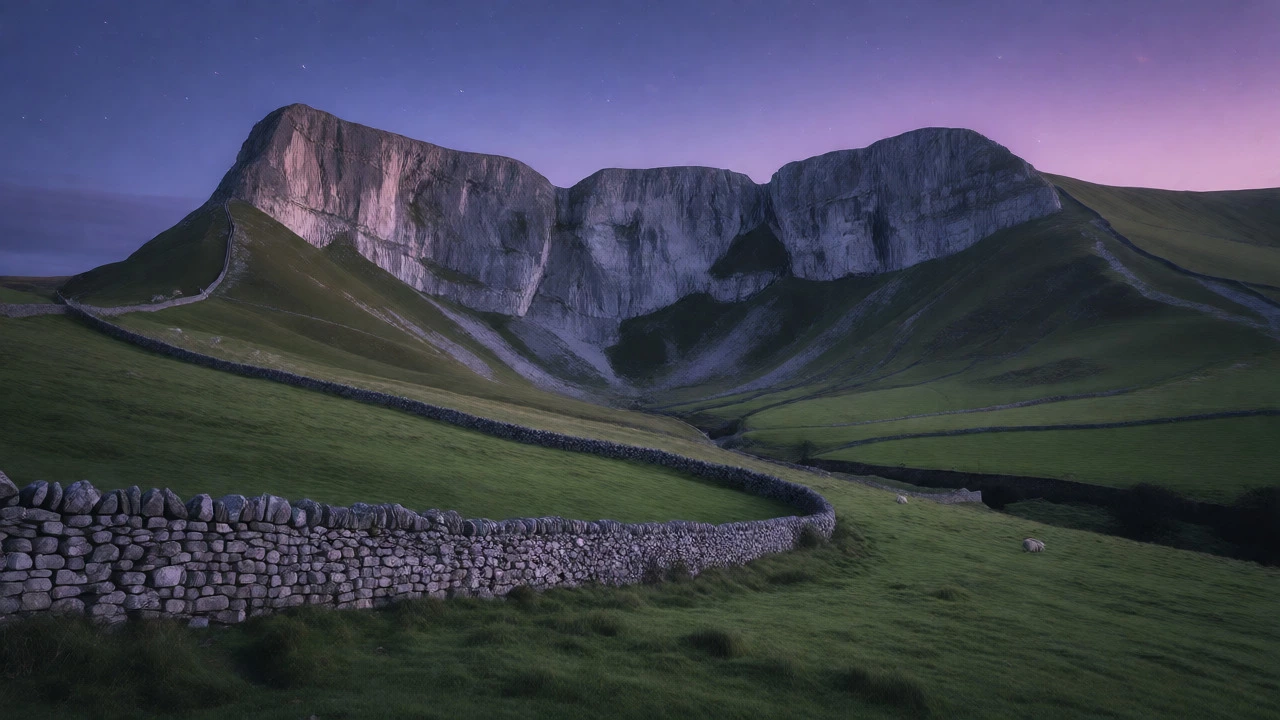
People often overlook the Yorkshire Dales, assuming it's too far or too cold. That is a mistake. The Dales offer some of the most dramatic limestone scenery in Europe. Imagine dry stone walls snaking across green hills, sheep grazing under big skies, and villages made of grey stone that look untouched since the Middle Ages.
York itself is a fantastic city break, combining Roman history with Viking heritage and a vibrant modern culture. But the real magic happens when you leave the city. Drive out to Malham Cove, a massive limestone amphitheater created after the Ice Age. It sounds geological, but standing at the bottom looking up is humbling. Nearby, Hawes is a great stop for traditional Yorkshire pudding and local cheese. This area is also perfect for stargazers because light pollution is minimal. If you want romance without the crowds of the south, this is your spot.
The South West: Culture and Countryside in Oxford and the Cotswolds
If you prefer architecture and fine dining over muddy boots, head to Oxford and the Cotswolds. Oxford is intellectual energy bottled up in honey-colored stone. Walking through the covered market, then popping into the Bodleian Library, gives you a sense of weight and history that few other cities match. It’s expensive, yes, but you are paying for proximity to centuries of academic prestige.
Just an hour away, the Cotswolds offer quintessential English village life. Bourton-on-the-Water is picturesque but busy, while Bibury is famously called the "prettiest village in England." Don't let the crowds deter you; the charm lies in the details-the mellow limestone cottages, the ancient churches, and the rolling hills. This region is ideal for a relaxed pace. Rent a cottage, buy ingredients at a farm shop, and cook dinner while watching the sun set over fields that have been farmed for generations. It’s low-stress, high-comfort travel.
The East: Slow Living on the Norfolk Broads
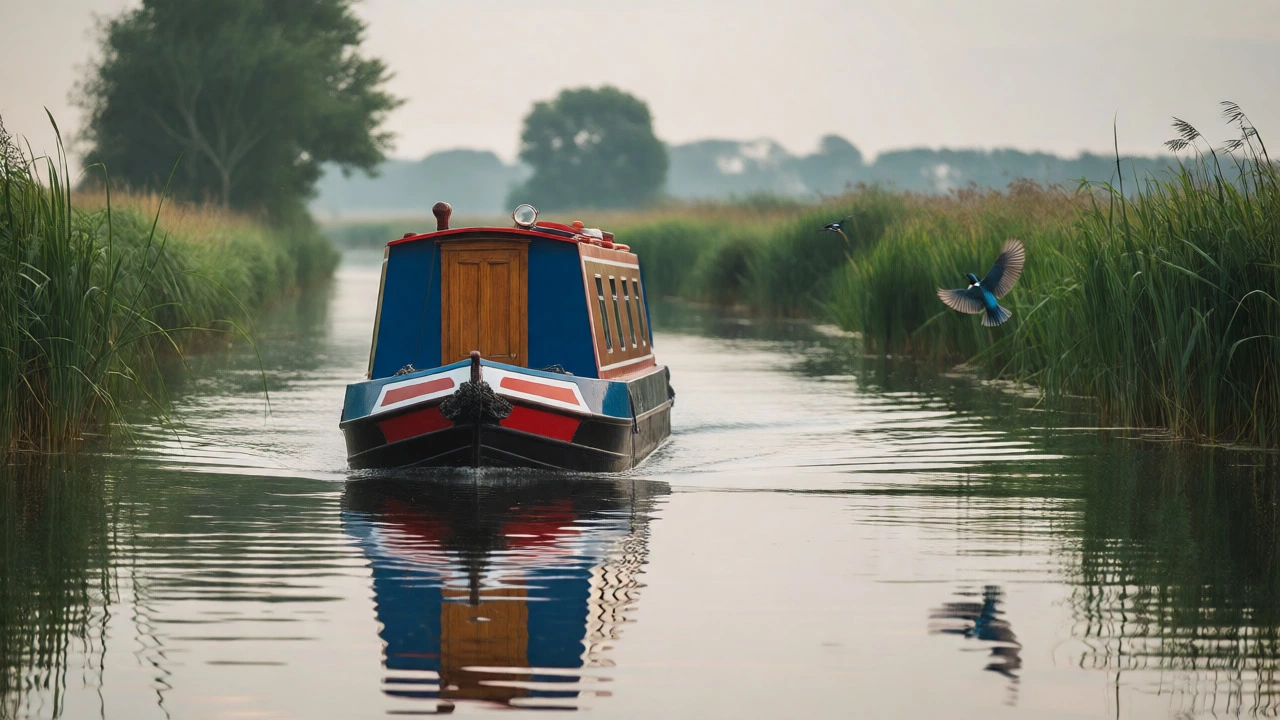
For those who want to truly switch off, the Norfolk Broads provide a unique alternative. Unlike the Lake District, which is about climbing up, the Broads are about floating along. This network of rivers and lakes was actually man-made, created by medieval peat diggers who flooded their holes. Today, it’s a haven for wildlife and boating enthusiasts.
You can rent a narrowboat for a few days and navigate the waterways at a leisurely pace. There are no rush hours on a canal boat. You dock at small towns like Wroxham or Ludham, eat fresh fish, and watch kingfishers dart across the water. It’s particularly good for families with young children because there is less physical exertion required than hiking. Plus, the flat terrain makes it accessible for wheelchairs and strollers. If you feel burned out by fast-paced life, the Broads force you to slow down whether you like it or not.
Practical Tips for Booking Your England Holiday
Once you’ve picked a region, the logistics matter. England’s public transport is improving but still patchy outside major cities. If you choose the Cotswolds or the Dales, you almost certainly need a car. Trains connect major hubs like York, Oxford, and Lancaster well, but the "last mile" to rural cottages often requires a taxi or bus that runs infrequently.
- Book early: Popular spots like St Ives or Ambleside fill up months in advance for summer weekends.
- Check parking: Many historic villages have limited or paid parking. Look for accommodations with guaranteed spots.
- Pack layers: Even in July, evenings can get chilly, especially near the coast or in the north.
- Museums Pass: If you plan to visit multiple National Trust properties, consider the membership or day passes.
Also, think about shoulder seasons. April, May, September, and October offer better value and fewer crowds. The weather is unpredictable regardless of the month, so having indoor backup plans-like visiting castles, galleries, or cozy pubs-is always smart.
What is the cheapest place to go on holiday in England?
The North East, particularly areas around Durham and Northumberland, tends to be more affordable than the South West. Accommodation costs are lower, and you can find excellent free attractions like Hadrian's Wall sections and coastal walks. Blackpool also remains a budget-friendly option for classic seaside breaks, though quality varies significantly.
Is England suitable for a beach holiday?
Yes, but manage expectations. The water is cold compared to the Mediterranean. However, Cornwall and Devon offer stunning sandy beaches with warm summers. If you want warmer water, consider the south coast near Bournemouth or Brighton, though these are more urban. For pure natural beauty and cleaner water, Cornwall is generally preferred.
How many days do I need for a trip to the Lake District?
Three to four days is ideal for a first visit. This allows time for one major hike, a boat cruise, and exploring a town like Keswick or Ambleside. If you want to climb Scafell Pike or explore the western lakes, add another two days. Rushing the Lakes often leads to frustration due to road congestion and weather delays.
Do I need a car to visit the Cotswolds?
While possible by train and bus, a car is highly recommended for the Cotswolds. Villages are scattered, and bus services are infrequent, especially on Sundays and bank holidays. Having a car gives you the freedom to discover hidden hamlets and scenic drives that are inaccessible by public transport.
Which part of England is best for families with toddlers?
The Norfolk Broads or the Jurassic Coast in Dorset are excellent choices. The Broads offer calm waters and easy walking paths. The Jurassic Coast has shallow rock pools and safe beaches for paddling. Both regions have plenty of family-friendly accommodation options with self-catering facilities, which helps with meal times and routines.