
Where is good to go on a city break? Top 7 cities that deliver real charm without the crowds
 Mar, 15 2026
Planning a city break doesn’t mean you need to book a flight across the world or stand in line at a tourist trap. Some of the best city breaks are short, affordable, and packed with personality - not just postcard views. The trick? Choosing a place that feels alive, not just Instagram-ready. Here are seven cities that nail the balance between culture, food, walkability, and calm - even in peak season.
Valencia, Spain
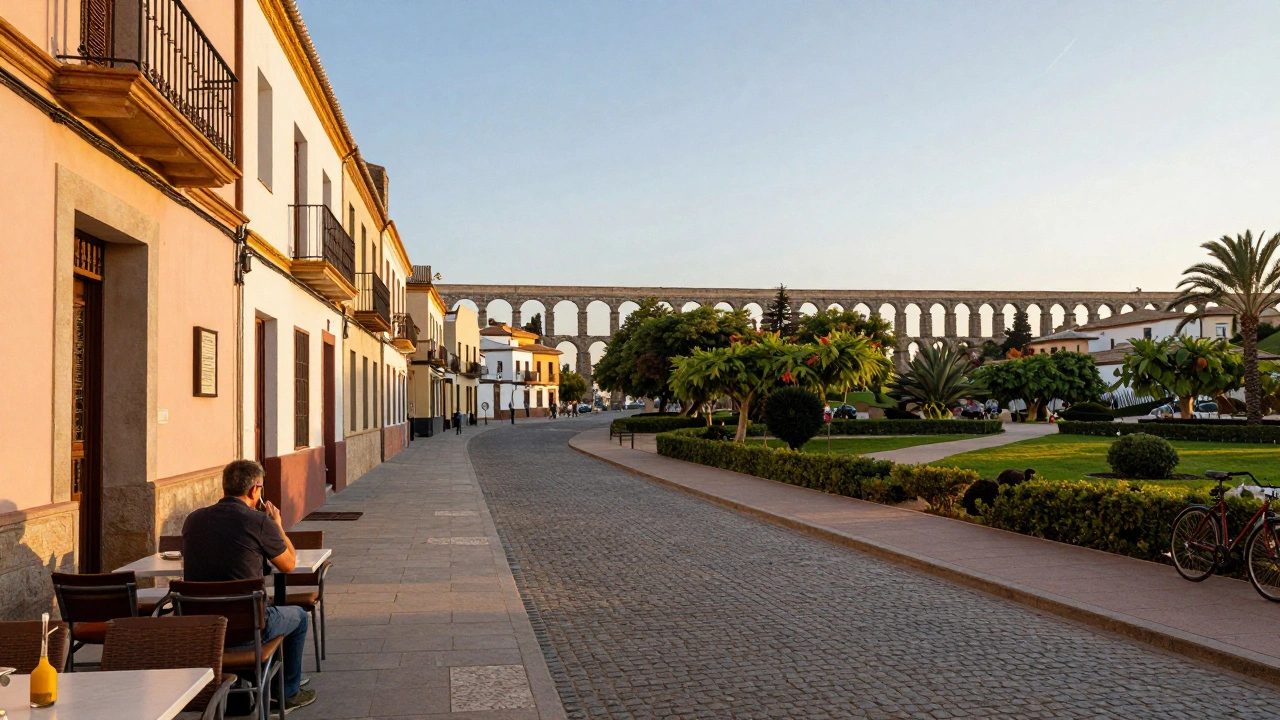
Most people skip Valencia for Barcelona or Madrid, but that’s their loss. This Mediterranean port city has a 2,000-year-old Roman aqueduct, a futuristic City of Arts and Sciences, and the best paella you’ll ever taste - straight from the source. Wander the old town’s narrow streets near the Cathedral, then grab a coffee at a local café where locals sip horchata and snack on churros. The beach is just 15 minutes away, and you can rent a bike to ride along the Turia Gardens, a lush park built in an old riverbed. No need to book months ahead. Hotels here still cost under €100 a night in spring.
Ljubljana, Slovenia
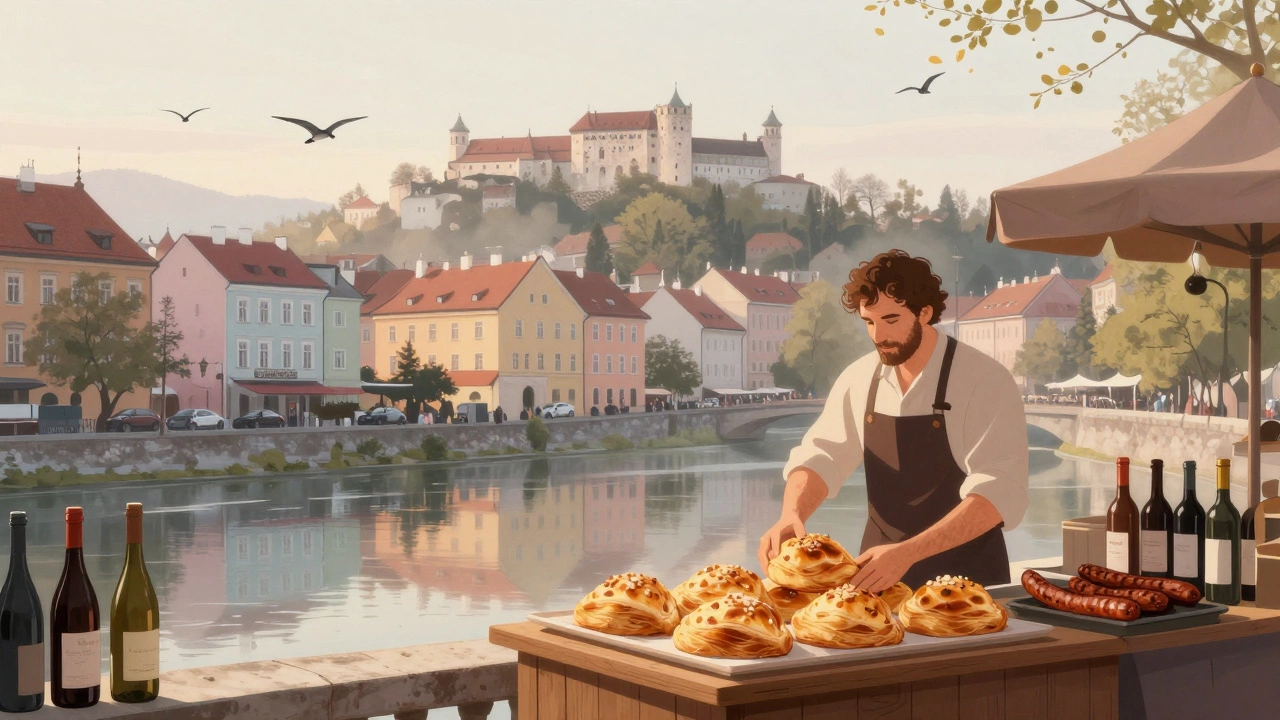
It’s hard to believe Ljubljana is in Europe’s less-traveled corner. The capital of Slovenia is clean, green, and quiet enough to hear birds in the morning. The old town center is car-free, with pastel buildings lining the Ljubljanica River. Grab a slice of potica (a nut roll pastry) from a family-run bakery, then climb to Ljubljana Castle for views over the whole city. In the evenings, locals gather at open-air markets on Triple Bridge, sipping local wine and eating grilled sausages. It’s safe, easy to navigate, and feels like a secret you’re not supposed to know about.
Porto, Portugal
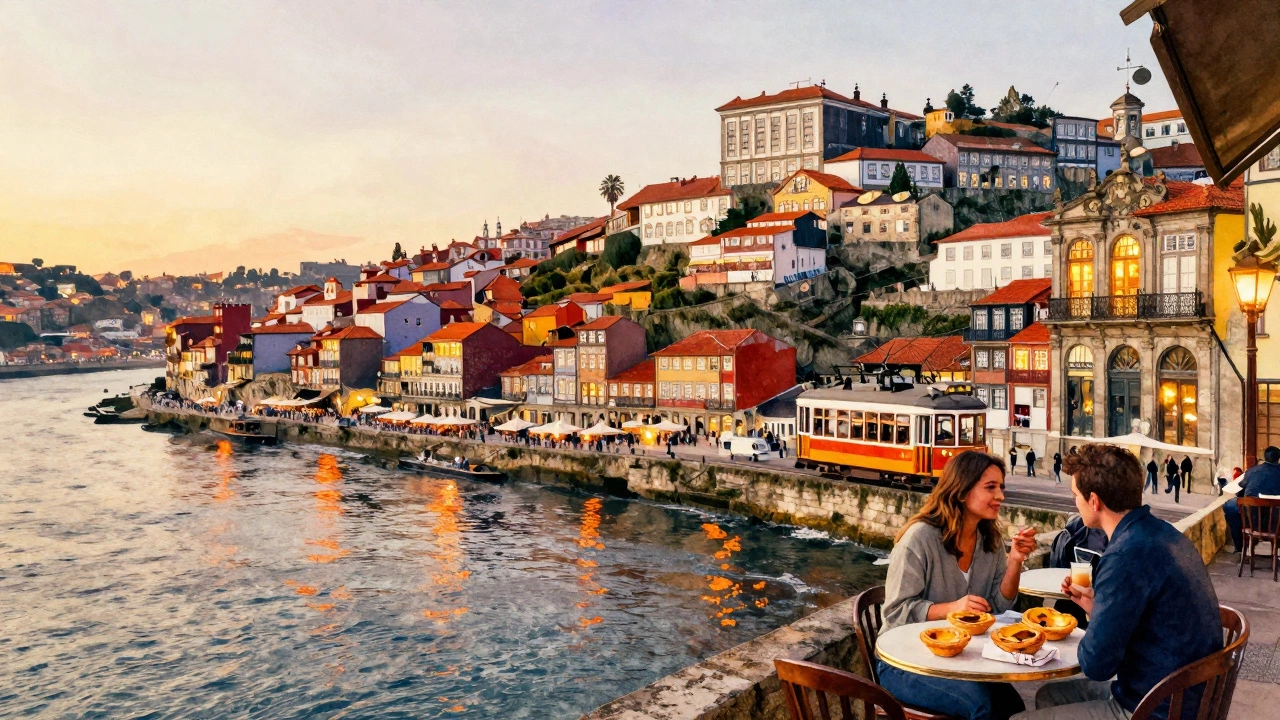
Porto isn’t just about port wine - though you should definitely tour a cellar on the other side of the Douro River. The city’s real magic is in its steep, tiled alleys, colorful houses, and the way the light hits the river at sunset. Walk the Ribeira district, then take the historic tram to Foz do Douro for fresh fish and ocean breeze. Don’t miss the Livraria Lello, one of the most beautiful bookstores in the world - yes, it’s touristy, but it’s also worth it. Local cafés serve pastéis de nata so warm they melt in your hands. And unlike Lisbon, you won’t be elbowing through crowds just to get a view.
Bologna, Italy
If you love food but hate tourist crowds, Bologna is your city. Known as "La Grassa" - the fat one - it’s the birthplace of ragù, tortellini, and mortadella. The city’s medieval towers still stand, and the arcaded streets make it easy to wander even in rain. Skip the fancy restaurants and eat where locals do: at a trattoria tucked into a side alley, where you’ll get a plate of tagliatelle al ragù for €9. The university vibe keeps things lively but not loud. And yes, you can still find parking. Unlike Florence or Venice, Bologna doesn’t feel like a museum.
Gdańsk, Poland
On Poland’s Baltic coast, Gdańsk is a mix of maritime history and modern energy. Its Golden Gate and Long Market are beautifully restored, but without the hordes of Paris or Prague. The city’s shipyard is where Solidarity began - and you can visit the museum for under €5. Walk the Royal Way, then stop for pierogi at a family-run kiosk. The waterfront has a chill vibe, with cafes facing the harbor and locals playing chess under chestnut trees. It’s one of the few Eastern European capitals where you can eat, explore, and relax without feeling like you’re in a theme park.
Bruges, Belgium
Bruges used to be overrun. But now, thanks to better tourism management and a push for off-season travel, it’s regained its quiet charm. Visit in late March, and you’ll find the canals nearly empty, the chocolate shops still open, and the belfry tower waiting for you to climb without a queue. The beer culture here is real - not just for tourists. Try a Trappist ale at a 15th-century brewery, then wander the Markt square where locals drink coffee at outdoor tables. It’s small enough to see everything in two days. And yes, the chocolate is still world-class - just without the selfie sticks.
Seville, Spain
Seville doesn’t need to shout. It whispers with flamenco music, orange-scented air, and courtyards shaded by centuries-old trees. The Alcázar palace is stunning, but skip the guided tour and wander the Santa Cruz neighborhood on your own. You’ll find hidden tapas bars where the patatas bravas come with a side of live guitar. The city’s vibe changes after dark - the Plaza de España lights up, and the riverbanks fill with people walking, not rushing. It’s warm in March, the wine is cheap, and the locals still greet you with a smile. You won’t find a more authentic Andalusian city break.
What makes a great city break?
A great city break doesn’t need five-star hotels or Michelin stars. It needs walkability, local flavor, and space to breathe. The best ones let you feel like a visitor, not a tourist. Look for cities with:
- Car-free zones or strong public transit
- Markets or food stalls where locals eat
- Free or low-cost museums and parks
- Evening energy - not just daytime sights
- A sense that you’re seeing the real place, not a performance
Don’t chase rankings. Chase moments: the smell of fresh bread at 8 a.m., a stranger pointing you to the best churro stand, or sitting on a bench with a view you didn’t plan for.
How to plan a city break without overspending
City breaks don’t have to cost a fortune. Here’s how to keep it real:
- Travel midweek - flights and hotels drop 30%+ on Tuesdays and Wednesdays.
- Stay in neighborhoods, not downtown. You’ll save money and get better food.
- Use public transit or walk. Skip rental cars - they’re expensive and hard to park.
- Buy a city pass if it includes at least 3 free attractions. Otherwise, pay as you go.
- Eat where you see locals eating. If there’s no English menu, you’re probably in the right spot.
Most of these cities are perfectly safe for solo travelers, couples, or small groups. No need for guided tours unless you’re into deep history. Just show up, wander, and let the city surprise you.
What to pack for a city break
You don’t need a suitcase full of outfits. Stick to this:
- One pair of comfortable walking shoes (broken in before you go)
- A light jacket - even in spring, evenings can be chilly
- A reusable water bottle (many cities now have free refill stations)
- A small daypack for your phone, wallet, and snacks
- A local SIM card or eSIM - no roaming fees
Leave the fancy shoes, the camera tripod, and the guidebook at home. You’ll be better off with a map app and curiosity.
What’s the cheapest city break in Europe?
Gdańsk and Ljubljana are among the most affordable. A full day - including food, transport, and one museum - costs under €50. Bologna and Valencia are also budget-friendly, with meals under €10 and hostels under €40 a night. Avoid cities like Paris, Amsterdam, or Copenhagen if you’re watching your wallet.
Can you do a city break in just two days?
Absolutely. Cities like Bruges, Ljubljana, and Porto are designed for short stays. You can see the main sights, eat well, and still have time to sit in a park or wander without a plan. Two days is enough if you focus on one neighborhood and avoid trying to do everything.
Is it better to fly or take a train for a city break?
For European city breaks, trains often win. They drop you right in the city center, avoid airport lines, and let you see the countryside. High-speed trains connect major cities like Paris to Lyon, Berlin to Prague, or Madrid to Valencia in under 3 hours. Plus, you can bring more luggage without fees. Only fly if you’re coming from outside Europe or if the train takes over 8 hours.
Are city breaks safe for solo travelers?
Yes, especially in the cities listed. Ljubljana, Bologna, and Porto have very low crime rates. Even in larger cities like Seville or Valencia, petty theft is rare if you keep your bag zipped and avoid sketchy alleys at night. Most locals are helpful, and English is widely spoken in tourist areas.
What’s the best time of year for a city break?
Late March to early May and September to October are ideal. The weather’s pleasant, crowds are thin, and prices are lower. Avoid July and August in southern Europe - it’s hot, expensive, and packed. In northern cities like Bruges, spring and fall are perfect. Winter can be magical too - Christmas markets in Bruges or cozy cafés in Ljubljana are unforgettable.