
Where is it Cheap for Americans to Travel in 2026? Top Budget Destinations
 May, 4 2026
Budget Travel Trip Estimator
Estimated Total Cost
Select DestinationThe dollar has been surprisingly strong against several major currencies as we move through mid-2026. For American travelers, this isn't just a statistic; it's an open door. You can stretch your vacation budget further than you did three years ago, accessing experiences that used to require a premium price tag. But finding the right spot takes more than just looking at exchange rates. You need places where local costs-food, transport, and accommodation-are genuinely low, not just artificially inflated by tourism.
Many popular spots have become expensive traps. The cost of living in cities like Paris, London, or even New York City has skyrocketed, making them poor choices for budget-conscious travelers. Instead, smart travelers are looking at regions where their purchasing power is maximized. This means focusing on Central America, parts of Southeast Asia, and specific pockets of Europe that haven't fully succumbed to overtourism pricing yet.
The Quick Summary: Best Value Picks for 2026
- Mexico: The closest and most affordable option with world-class food and beaches.
- Vietnam: Unbeatable value for long-term stays, with incredible street food culture.
- Bulgaria: Europe’s hidden gem for history, mountains, and cheap city breaks.
- Peru: High adventure value with low daily costs outside of Machu Picchu fees.
- Turkey: Massive currency depreciation makes luxury hotels and dining incredibly cheap.
Mexico: The Undisputed King of Proximity and Price
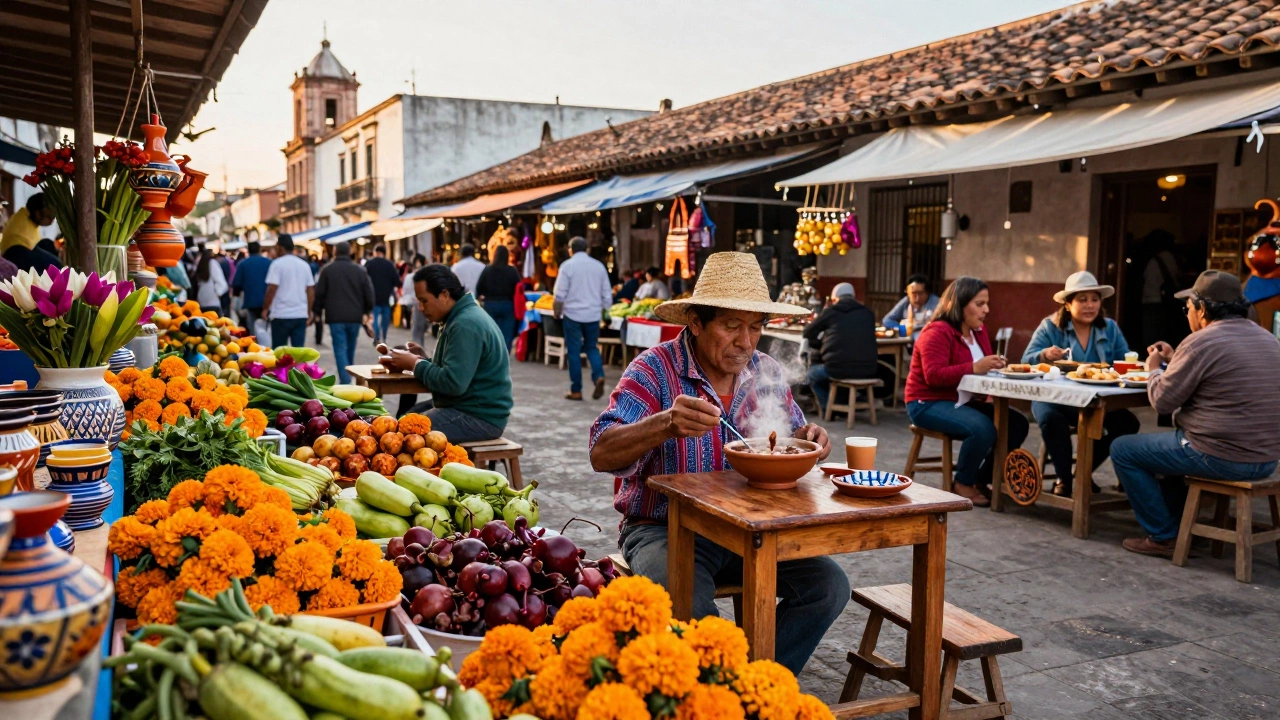
If you want to save on flight costs, Mexico is a North American country bordering the US, offering diverse landscapes from deserts to tropical coasts remains the top choice. Flights from major US hubs like Houston, Dallas, Phoenix, and Los Angeles are often under $100 one-way if booked correctly. In 2026, the peso continues to offer favorable exchange rates for Americans, meaning your money goes further in markets and restaurants.
You don’t have to stick to the crowded all-inclusive resorts in Cancun to find value. Cities like Oaxaca is a cultural hub in southern Mexico known for indigenous heritage, mezcal production, and vibrant festivals and Puebla is a historic city near Mexico City famous for its colonial architecture and culinary traditions offer rich cultural experiences at a fraction of the cost. A three-course meal with drinks can run you $8-$12. Accommodation in private guesthouses averages $30-$50 per night. The key is avoiding the "tourist bubble" zones within these cities and eating where locals eat.
Transportation is also affordable. Long-distance buses via companies like ADO or ETN provide comfortable, air-conditioned travel between cities for less than the cost of a domestic flight in the US. If you rent a car, fuel prices are significantly lower than in the States, though traffic in larger cities can be intense.
Vietnam: Stretching Your Dollar Across Indochina
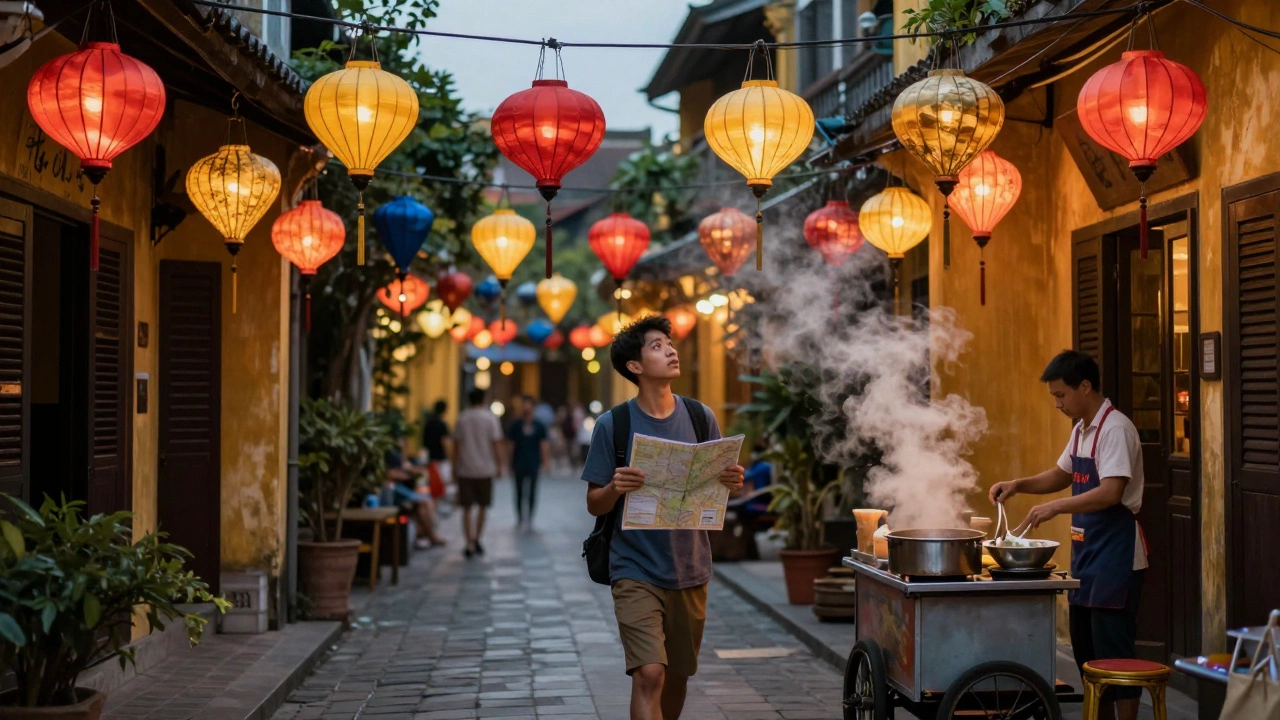
For those willing to endure a longer flight, Vietnam is a Southeast Asian nation renowned for its lush landscapes, ancient history, and vibrant street life offers some of the best value-for-money ratios in the world. The Vietnamese Dong (VND) is weak against the dollar, allowing you to live like royalty on a modest budget. In 2026, daily budgets of $30-$40 are realistic for a high-quality experience, including nice meals, private rooms, and guided tours.
Hanoi and Ho Chi Minh City are bustling metropolises where motorbike taxis (Grab app) cost mere cents per ride. Street food is not only safe but exceptional, with pho bowls costing around $1.50. Coastal towns like Da Nang and Hoi An offer beautiful beaches and historic charm without the resort markups found in Thailand or Bali. You can stay in boutique homestays for $15-$25 per night, often including breakfast.
The main expense here is the international flight. To mitigate this, look for multi-city itineraries that include stops in other Southeast Asian countries. Airlines like VietJet Air and Bamboo Airways offer competitive regional fares. If you extend your trip to Cambodia or Laos, the savings compound because ground transportation and entry fees remain low.
Bulgaria: Europe Without the Premium Price Tag
Most Americans overlook Bulgaria is a Balkan country blending Ottoman history, communist-era architecture, and natural beauty, but it deserves a spot on every budget traveler’s list. While Western Europe has seen inflation hit hard, Bulgaria’s use of the Lev (BGN), pegged to the Euro, keeps prices stable and low relative to the rest of the EU. It’s one of the few European countries where you can still find a full dinner for under $15.
Sofia, the capital, is modern and efficient with excellent public transport. Day trips to the Rila Monastery or the Vitosha Mountain are affordable and scenic. Further south, Plovdiv offers a charming old town with cobblestone streets and vibrant nightlife. The Black Sea coast, particularly around Sunny Beach and Golden Sands, provides cheap summer getaways, though it gets crowded in July and August. Shoulder seasons (May and September) offer better weather and lower hotel rates.
Flights to Sofia are increasingly common from major US airports, often with one stop in Frankfurt, Vienna, or Istanbul. Booking early secures fares under $600 round-trip. Once there, trains and intercity buses connect major towns efficiently and cheaply.
Peru: Adventure on a Budget
Peru is a South American country home to the Inca Empire, Amazon rainforest, and diverse Andean cultures combines high-adventure activities with low daily costs. Lima serves as a gateway with growing culinary prestige, but the real value lies inland. Cusco, the base for visiting Machu Picchu, has seen price increases due to tourism, but surrounding areas like Sacred Valley villages remain affordable.
Local transport via bus networks (Cruz del Sur, Movil Tours) is reliable and inexpensive. A sleeper bus from Lima to Cusco costs around $30-$40. Inside Peru, meals at local "menú del día" spots cost $3-$5. Hostels and mid-range hotels in tourist centers range from $15-$30 per night. The main fixed cost is the Machu Picchu entrance ticket ($45+), which you should book months in advance to avoid scalpers.
In 2026, Peru continues to invest in infrastructure, improving road access to remote regions like Colca Canyon and Lake Titicaca. These destinations offer authentic cultural interactions and stunning scenery without the crowds of the Inca Trail. Renting a car or hiring a local driver for day trips splits the cost effectively among small groups.
Turkey: Luxury for Less
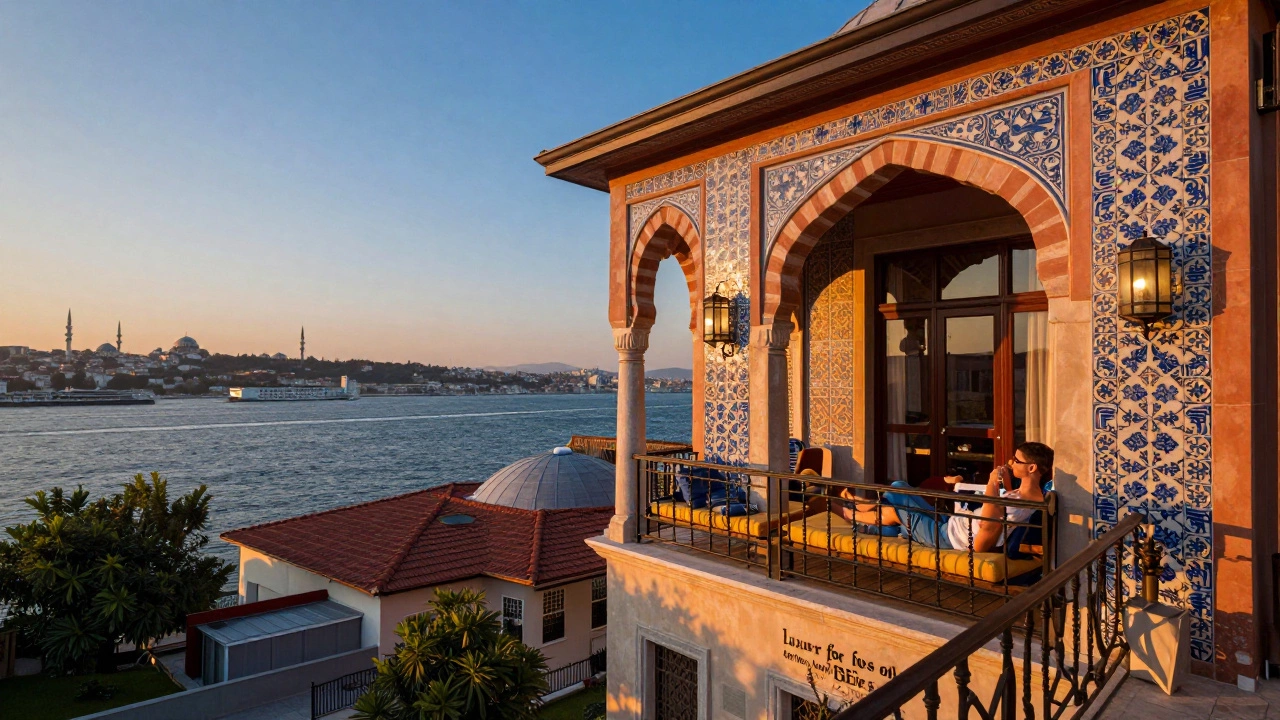
Turkey is a transcontinental country bridging Europe and Asia, known for its Ottoman heritage and Mediterranean climate has experienced significant currency fluctuations, making it incredibly cheap for visitors holding USD or EUR. The Turkish Lira (TRY) has depreciated sharply, turning five-star hotels and fine dining into bargain-bin deals. In Istanbul, you can stay in historic boutique hotels in Sultanahmet or Beyoglu for $50-$80 per night, prices that would secure only a budget room in comparable European cities.
Food is a highlight. Kebabs, meze platters, and fresh seafood are abundant and affordable. A lavish dinner in a reputable restaurant might cost $20-$30 per person. Cappadocia, famous for hot air balloon rides, sees higher prices for the balloons themselves ($200+), but ground tours, cave hotels, and meals remain inexpensive. Antalya and Fethiye on the Mediterranean coast offer beach holidays with all-inclusive packages that undercut Caribbean options by thousands of dollars.
Flights to Istanbul are frequent and competitive, with carriers like Turkish Airlines and Pegasus offering good connectivity from the US. Visa requirements are straightforward for Americans, with e-visas available online. Just be aware that while prices are low, tipping culture is less entrenched, so service charges may already be included.
| Destination | Avg. Daily Cost (USD) | Flight Cost (Round-Trip) | Best For |
|---|---|---|---|
| Mexico | $50 - $70 | $100 - $300 | Short trips, foodies, beach lovers |
| Vietnam | $30 - $50 | $700 - $1,000 | Long stays, culture, street food |
| Bulgaria | $60 - $90 | $500 - $700 | European history, city breaks |
| Peru | $40 - $60 | $500 - $800 | Adventure, hiking, ruins |
| Turkey | $50 - $80 | $600 - $900 | Luxury on a budget, diverse landscapes |
Smart Strategies to Keep Costs Down
Finding a cheap destination is only half the battle. How you travel matters just as much. First, embrace flexibility. Use tools like Google Flights’ "Explore" feature to see the cheapest dates and destinations from your nearest airport. Flying mid-week (Tuesday or Wednesday) often yields lower fares.
Second, consider alternative accommodations. Hotels are rarely the cheapest option. Look into serviced apartments, guesthouses, or even trusted homestay platforms. In many of these countries, family-run establishments offer better value and personal interaction than chain hotels.
Third, eat locally. Tourist menus are marked up by 100% or more. Walk away from the waterfront or main square and find where residents dine. In Vietnam, this means plastic stools on the sidewalk. In Mexico, it’s the taquerias with lines out the door. The quality is often superior, and the cost is a fraction.
Finally, manage your money wisely. Credit cards with no foreign transaction fees are essential. ATMs in these countries are widely available, but withdraw larger amounts less frequently to minimize fees. Avoid exchanging money at airports or hotels, where rates are notoriously poor.
Is it safe for Americans to travel to these budget destinations?
Generally, yes. Mexico, Vietnam, Bulgaria, Peru, and Turkey are popular tourist destinations with established safety protocols. However, standard precautions apply: avoid displaying valuables, use registered transport services, and stay in well-reviewed neighborhoods. Always check current State Department travel advisories before booking.
What is the cheapest month to travel internationally from the US?
January and February are typically the cheapest months for international travel, excluding holiday periods. Late autumn (November) can also offer good deals. Summer and major holidays (Christmas, Easter) see peak pricing.
Do I need a visa for these countries?
Americans generally do not need visas for short stays in Mexico (up to 180 days), Vietnam (e-visa available), Bulgaria (Schengen rules apply after 2024 integration, but currently visa-free for 90 days), Peru (visa-free for 183 days), and Turkey (e-visa required). Always verify latest entry requirements before departure.
Can I really survive on $30 a day in Vietnam?
Yes, comfortably. With careful planning, $30 covers accommodation, three meals, local transport, and minor attractions. Splurging on tours or alcohol will increase this, but basic needs are easily met.
Why is Turkey so cheap for Americans right now?
The Turkish Lira has faced significant inflation and depreciation against the US Dollar. This means American tourists get more lira for their dollars, making goods and services priced in local currency much cheaper for foreigners.