
Where is it Cheap to Go for a City Break? Top Budget Destinations
 Nov, 23 2026
City Break Budget Estimator
Select a destination and adjust your travel style to see how far your money goes. Based on average local costs.
2. Adjust Your Style
Estimated Daily Spend
per person, per day
You want a weekend away that feels like a luxury escape but doesn’t wreck your bank account. The trick isn't just finding a cheap flight; it's picking a destination where your money actually goes further once you land. A $10 beer in London or New York might buy you three meals and a guided tour in parts of Eastern Europe or Southeast Asia. We’re talking about real value-where the coffee is strong, the architecture is stunning, and the price tag won't make you flinch.
Understanding True Value in Travel
Before booking anything, you need to understand what makes a trip "cheap." It’s not always the sticker price of the ticket. It’s the total daily cost of living while traveling, which includes accommodation, food, transport, and entertainment. This concept is often called the "cost of travel index." For example, flying to Budapest might cost slightly more than flying to Paris, but if your hotel costs $40 instead of $200, and dinner is $15 instead of $60, Budapest wins every time.
Many travelers fall into the trap of chasing the lowest airfare only to spend double on overpriced tourist traps at their destination. Smart budgeting means looking at the whole picture. Are street foods safe and delicious? Is public transport efficient and cheap? Do museums offer free entry days? These factors determine whether a city is truly affordable.
The Undisputed Kings: Eastern Europe
If you are based in North America or Western Europe, Eastern Europe remains the gold standard for high-value city breaks. The region has undergone massive modernization while keeping prices remarkably low compared to its western neighbors.
Budapest, Hungary
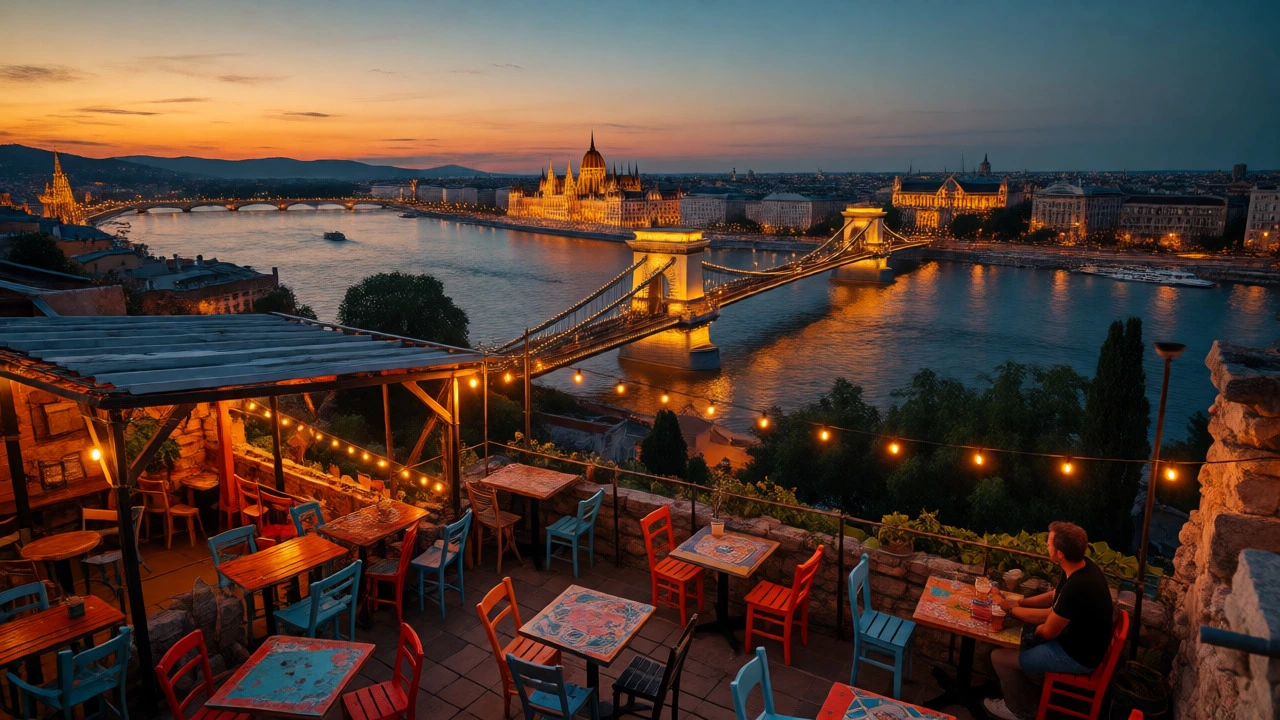
Budapest is arguably the best value major European capital right now. It splits into two sides, Buda and Pest, divided by the Danube River. You can stay in a beautiful historic apartment for under $50 a night. Thermal baths, a unique cultural experience, cost around $15-$20, whereas similar spas in Western Europe charge triple. The ruin bars, like Szimpla Kert, offer drinks for $2-$3, and the food scene is hearty and inexpensive. Goulash soup won’t break the bank, and it tastes incredible.
Krakow, Poland
Krakow offers deep history without the heavy price tag. It was largely spared during World War II, so its medieval old town is intact and UNESCO-listed. Walking tours are often tip-based, meaning you pay what you feel it was worth. Accommodation ranges from hostels to boutique hotels at very competitive rates. Polish vodka is notoriously cheap, and traditional dumplings (pierogi) are filling and cost less than $5. Plus, it’s a short train ride to Auschwitz-Birkenau for a sobering historical day trip.
| Destination | Avg Hotel/Night | Avg Meal | Public Transport Day Pass | Total Est. Daily Spend |
|---|---|---|---|---|
| Budapest | $45 | $12 | $3 | $80 - $100 |
| Krakow | $40 | $10 | $2 | $70 - $90 |
| Lisbon | $80 | $15 | $7 | $120 - $150 |
| Paris | $150 | $25 | $10 | $250+ |
| Bangkok | $30 | $5 | $2 | $50 - $70 |
Southern Europe’s Hidden Gems
While Italy and France get all the hype, their neighbors offer similar vibes for half the price. Southern Europe is warming up as a budget hotspot, especially outside peak summer months.
Lisbon, Portugal
Lisbon used to be dirt cheap, but tourism has driven prices up. Still, it remains one of Western Europe’s most affordable capitals. Eat where locals eat-pastel de nata for €1.20 and grilled fish in neighborhood tascas for €10. Avoid the main squares in Baixa for dining and head uphill to Alfama. Public transport is excellent, with trams costing just a few euros per ride. If you book flights well in advance, round-trip tickets from the US can drop below $600, making the total trip very manageable.
Tirana, Albania
This is the frontier for adventurous budget travelers. Tirana is colorful, chaotic, and incredibly cheap. You can find central apartments for $25 a night. Coffee culture is huge here, with espressos costing less than $1. The food is Mediterranean-influenced, fresh, and abundant. While it lacks the polished tourist infrastructure of Rome, it compensates with authenticity and zero crowds. Flights to Tirana are becoming more accessible from major European hubs, and visa requirements are lenient for many nationalities.
Asia’s Urban Powerhouses
If you have the time and budget for long-haul flights, Asia offers unbeatable ground costs. The flight might cost you, but once you arrive, your wallet breathes easy.
Bangkok, Thailand
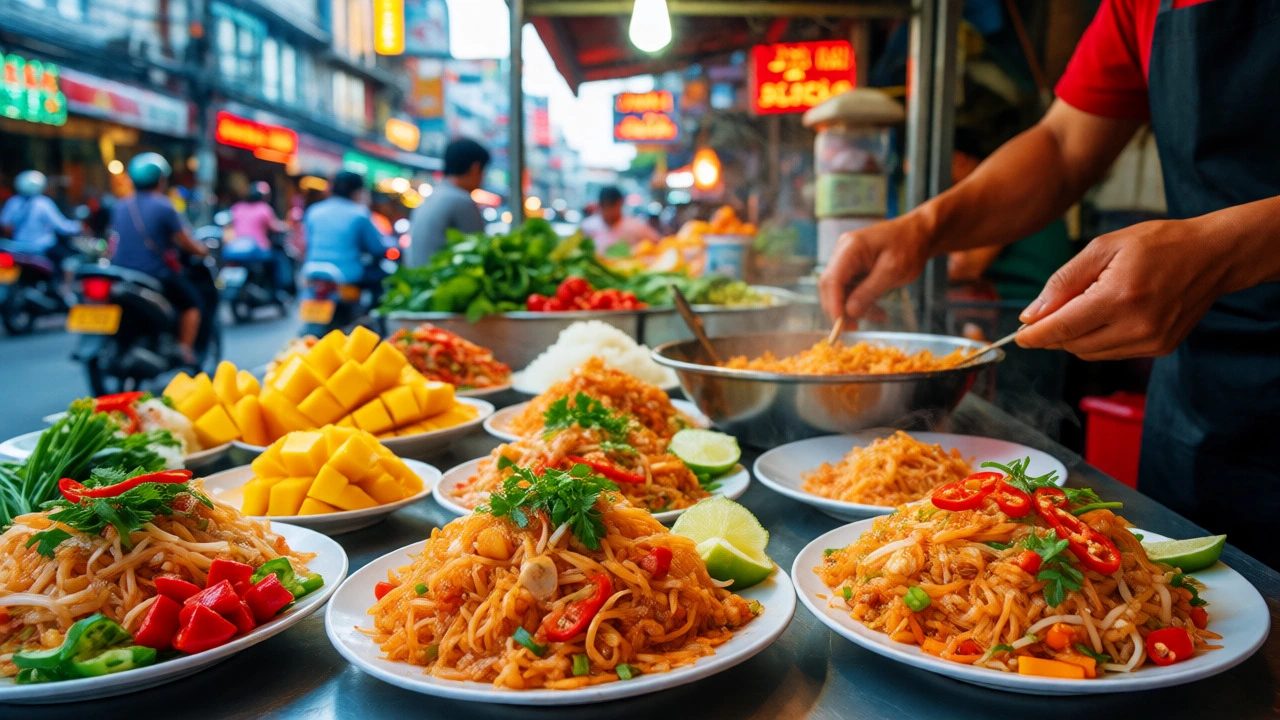
Bangkok is the ultimate test of how far $50 goes. Street food is world-class, safe, and costs $1-$3 per dish. Pad Thai, mango sticky rice, and boat noodles are staples. Massage parlors are everywhere, offering an hour-long session for $10-$15. Hostels are clean and social, often including breakfast. Even mid-range hotels rarely exceed $60 a night. The BTS Skytrain and MRT keep transport costs negligible. Just watch out for taxi scams; always insist on using the meter or use Grab apps.
Hanoi, Vietnam
For a cooler climate and French colonial charm, Hanoi beats Ho Chi Minh City for city-break vibes. Egg coffee is a must-try invention here. Beer is famously cheap-Bia Hoi on street corners costs pennies. The Old Quarter is walkable, though busy. Motorbike rentals are affordable if you’re confident driving, otherwise, ride-hailing apps like Grab are safer and still cheap. Cultural sites like the Temple of Literature charge minimal entry fees compared to Western museums.
How to Keep Your City Break Cheap
Picking the right destination is step one. Executing the trip without overspending requires strategy. Here are practical ways to slash costs regardless of where you go.
- Travel Off-Peak: Avoid school holidays and major festivals. Visiting Budapest in November or Bangkok in May (hot season) can cut flight and hotel costs by 30-50%.
- Use Local Transit: Skip taxis. Learn the metro system. In cities like Prague or Warsaw, a 24-hour pass costs less than a single Uber ride in London.
- Eat Like a Local: Walk two blocks away from any landmark. Prices drop significantly. Look for menus in the local language only-that usually signals fair pricing.
- Book Accommodation Wisely: Consider guesthouses or apartments via platforms like Airbnb or Booking.com. Having a kitchen lets you save on breakfast and snacks.
- Free Walking Tours: Almost every major city offers these. They’re free (tip-based) and provide excellent orientation and history lessons.
Common Pitfalls to Avoid
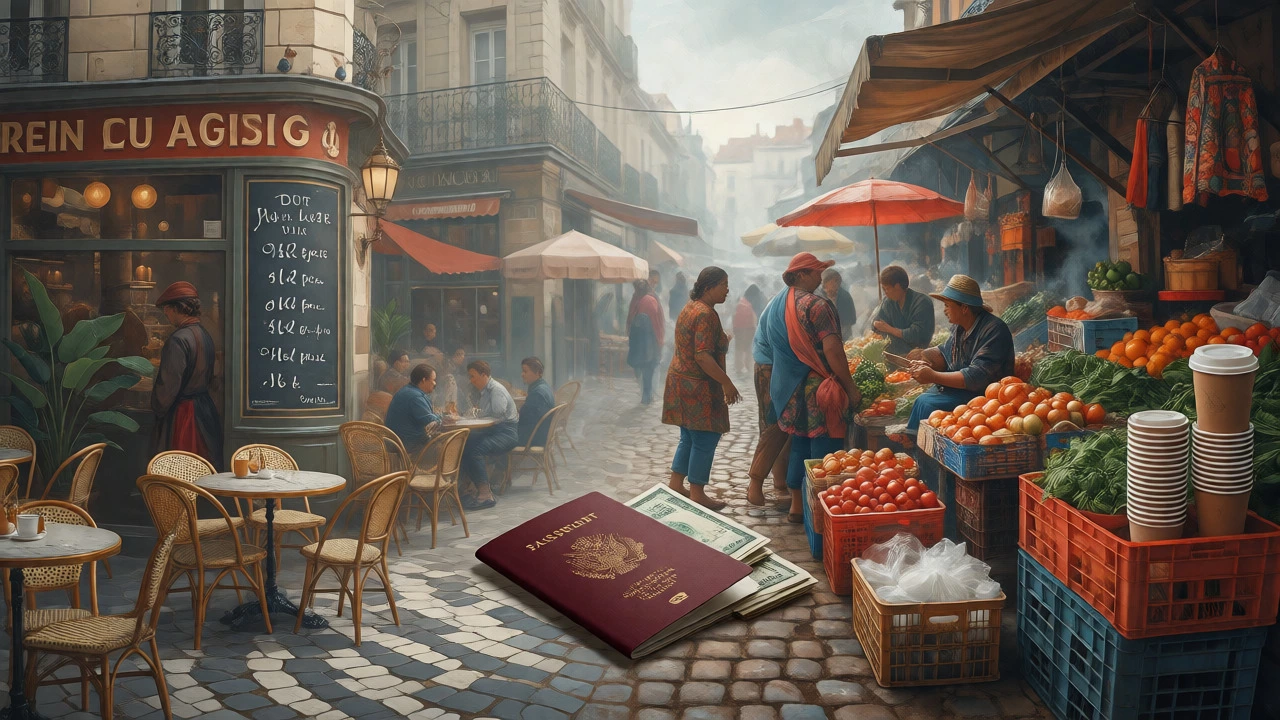
Even in cheap cities, tourists bleed money through bad habits. Don’t exchange money at airport kiosks; they offer terrible rates. Use ATMs inside banks or reputable chains for better exchange rates. Beware of "tourist tax" hidden in restaurant bills in some countries. Always check if service is included.
Another trap is over-planning. Buying expensive pre-booked tours online often costs more than walking up to the same attraction. Many museums have free hours or discounted student/senior rates. Check official websites before paying third-party agents.
Frequently Asked Questions
Is it cheaper to fly or drive for a city break?
It depends on your starting point. For cross-continent trips, flying is almost always necessary despite higher upfront costs. For regional trips, driving can be cheaper if you split gas and tolls among multiple people, but factor in parking fees and wear-and-tear. In dense European cities, trains are often faster and cheaper than driving due to congestion charges and parking costs.
Do I need travel insurance for a cheap city break?
Yes. Even low-cost trips can result in high medical bills if something goes wrong abroad. Insurance protects against flight cancellations, lost luggage, and emergency healthcare. Some credit cards offer basic coverage, but verify the limits. A comprehensive policy usually costs 4-6% of your total trip cost.
Which city is safest for solo female travelers on a budget?
Cities like Krakow, Lisbon, and Prague are generally considered safe with good public lighting and active police presence. Standard precautions apply: avoid poorly lit areas late at night and keep valuables secure. Research specific neighborhoods, as safety can vary within a city.
Can I find last-minute deals for cheap city breaks?
Yes, but flexibility is key. Airlines release unsold seats closer to departure dates. Apps like Skyscanner or Hopper help track price drops. However, last-minute hotels can be pricier if availability is low. Booking flights early and hotels later sometimes balances risk and reward.
Are credit cards widely accepted in budget destinations?
In Eastern Europe and Asia, cash is still king for small vendors, markets, and taxis. While hotels and large restaurants accept cards, carry enough local currency. Notify your bank before traveling to avoid card blocks. Use cards with no foreign transaction fees to save extra money.