
Where Is It Cheapest To Go On Holiday? Top Budget Destinations For 2026
 Sep, 14 2026
Budget Holiday Estimator
Enter trip details to see your estimated costs.
You’ve got a bank account that’s recovering from the last few months and a craving for sun or snow. The question isn’t if you should go on holiday, but where is it cheapest to go on holiday? Most people assume "cheap" means dodgy hostels and instant noodles. But in 2026, the landscape has shifted. You can find five-star experiences for the price of a three-star hotel if you know where to look and when to book.
I’ve spent years tracking flight prices and accommodation costs across Europe, Asia, and beyond. I live in Vancouver, so my baseline for "expensive" is pretty high, which gives me a good perspective on what actually counts as a bargain. Here’s the truth: the cheapest holidays aren’t just about finding a $50 flight. They’re about total cost of ownership-food, transport, activities, and how far your dollar stretches once you land.
| Destination | Avg. Daily Cost (USD) | Best For | Flight Accessibility |
|---|---|---|---|
| Vietnam | $35 - $50 | Foodies & Backpackers | Moderate |
| Albania | $40 - $60 | Beach Lovers & History Buffs | High (from EU) |
| Georgia | $30 - $45 | Hikers & Wine Enthusiasts | Low to Moderate |
| Indonesia | $45 - $70 | Divers & Digital Nomads | High |
| Morocco | $40 - $55 | Culture Seekers | High (from Europe) |
Why Southeast Asia Still Wins On Value
If you ask any seasoned traveler where they get the most bang for their buck, half will say Southeast Asia. And for good reason. Countries like Vietnam, Thailand, and Cambodia offer an incredible exchange rate advantage. In Vietnam, a bowl of steaming pho might cost you $1.50. A private room in a clean, air-conditioned guesthouse in Hanoi can be found for under $15 a night. Even if flights are pricey, the ground costs drop so significantly that the total trip remains low.
But here’s the catch: flight times are long. If you’re flying from North America, you’re looking at 20+ hours in transit. That eats into your vacation time. So, this option works best if you’re staying for two weeks or more. The longer you stay, the cheaper the daily average becomes because you amortize that expensive flight ticket over more days.
Europe’s Hidden Gem: Albania
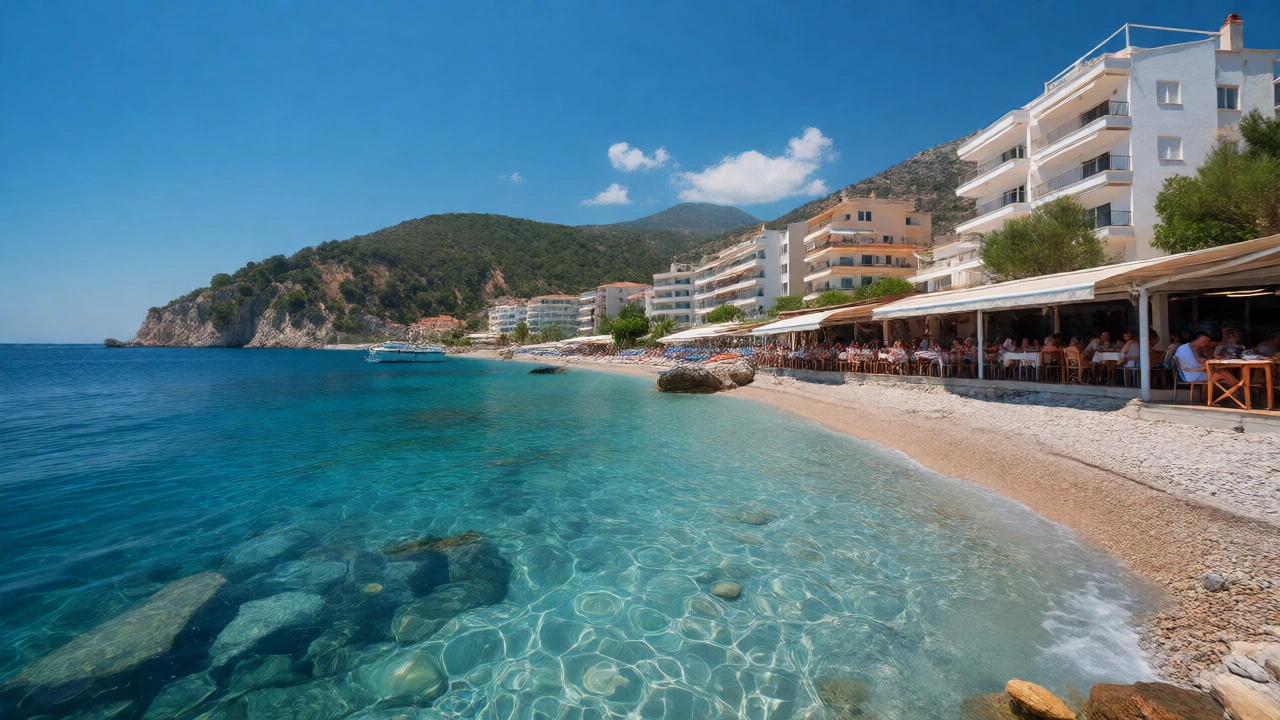
Everyone knows Greece and Italy are beautiful, but have you seen the hotel bills? In 2026, a decent double room in Santorini can easily hit $200+ per night. Now, look at Albania. It sits right next door to Greece, shares the same Ionian Sea coastline, but the prices are roughly 40% lower. You can rent a modern apartment in Saranda for $40 a night. Dinner at a seaside restaurant with fresh seafood and local wine? Maybe $15 per person.
Albania isn’t just cheap; it’s culturally rich. You’ll find ancient Greek ruins, Ottoman-era castles, and vibrant nightlife. The infrastructure is improving rapidly, meaning Wi-Fi is reliable and roads are smoother than they were five years ago. If you want a European summer without the Western European price tag, this is your spot.
The Caucasus Contender: Georgia
Move north into the mountains, and you hit Georgia. This country is a sleeper hit for budget travelers. Tbilisi, the capital, is incredibly walkable, historic, and filled with cafes where coffee costs less than a dollar. But the real value is in the countryside. Renting a car in Georgia is surprisingly affordable, and fuel prices are low compared to Europe or North America.
Georgian hospitality is legendary-and free. Locals often invite tourists for a supra (feast) where you eat until you burst. Food is hearty, meat-heavy, and cheap. A full meal at a traditional restaurant rarely exceeds $10. Plus, the visa policy is generous for many nationalities, allowing stays of up to one year in some cases, which makes it perfect for long-term budget travelers.
Islands Without The Price Tag: Indonesia
Bali gets all the hype, but Bali has gotten expensive. If you want the Indonesian experience without the Instagram tax, head to Java, Sumatra, or Lombok. Indonesia as a whole offers some of the lowest living costs in the world. Street food (nasi goreng, satay) is delicious, safe, and costs pennies. Accommodation ranges from basic homestays ($10/night) to luxury villas ($50/night).
The key here is domestic travel. Flights between islands can add up, but ferries are dirt cheap. Taking a slow boat from Bali to Lombok costs a few dollars and takes a few hours. It’s scenic, relaxing, and saves you money. Just watch out for tourist traps in heavily visited areas; venture ten minutes off the main beach road, and prices drop by half.
North Africa’s Bargain Bin: Morocco
Flying from Europe to Morocco is fast and cheap. From London or Paris, you can often find round-trip flights for under $100. Once you’re there, the currency strength works in your favor. While Marrakech has become pricier, cities like Fez, Chefchaouen (the Blue City), and Essaouira remain very affordable.
Negotiation is part of the culture. Don’t be afraid to haggle at souks (markets). Start at half the asking price and meet in the middle. You’ll save significant amounts on rugs, spices, and handicrafts. Eating is also economical; tagines and couscous dishes are filling and cost around $3-$5. Riads (traditional houses turned into hotels) offer unique stays for under $50 a night, often including breakfast on a rooftop terrace.

How To Keep Costs Down Regardless Of Destination
Choosing the right destination is only half the battle. Your behavior on the ground determines whether you come home broke or refreshed. Here are practical ways to slash costs:
- Travel Off-Peak: September and October are sweet spots for many destinations. Summer crowds have left, but the weather is still warm. Prices for flights and hotels can drop by 30-50% compared to July.
- Eat Where Locals Eat: Avoid restaurants with English menus and pictures of food outside. Look for places packed with locals. The turnover is high, so the food is fresher, and the prices are set for residents, not tourists.
- Use Public Transport: Taxis are convenient but drain budgets quickly. Learn to use buses, trains, or ride-sharing apps like Grab (in Asia) or Bolt (in Europe/Africa). They are often 80% cheaper than taxis.
- Book Accommodation With Kitchens: Buying groceries and cooking simple meals saves massive amounts. Even if you only cook breakfast, it cuts your daily food budget by $10-$20.
- Watch Out For Hidden Fees: Some "cheap" airlines charge for everything: bags, seat selection, even water. Calculate the total cost before booking. Sometimes a slightly more expensive carrier includes baggage, making it the better deal.
When Cheap Becomes Expensive
There’s a trap in budget travel: false economy. Booking the absolute cheapest hostel might mean paying extra for lockers, towels, and late check-out fees. Choosing a flight with a 12-hour layover might seem cheap until you factor in airport food and potential sleep deprivation affecting your enjoyment of the first day.
Also, consider safety. Some ultra-cheap neighborhoods might require expensive taxi rides back to your hotel at night because walking feels unsafe. Factor that into your budget. A slightly more central, moderately priced hotel often saves money on transport and stress in the long run.
Final Thoughts On Finding Your Perfect Deal
So, where is it cheapest to go on holiday? For pure low-cost living, Southeast Asia wins. For accessible, short-haul cheapness, Albania and Morocco are unbeatable. For nature lovers who don’t mind a drive, Georgia is a steal.
The best strategy? Set a total budget, not just a flight budget. Decide how much you want to spend per day on the ground. Then work backward. If you have $1,500 for a week, aim for destinations where your daily spend is under $100. This approach keeps you flexible and prevents nasty surprises at the end of the trip.
What is the single cheapest country to visit in 2026?
For most travelers, Vietnam or Nepal offer the lowest daily costs for food, lodging, and activities. However, flight costs from North America or Europe can offset these savings unless you stay for an extended period.
Are all-inclusive resorts ever cheaper than independent travel?
Yes, particularly in Mexico or the Caribbean during off-peak seasons. If you plan to eat three large meals a day and drink alcohol, an all-inclusive package can prevent unexpected overspending. Compare the total package price against estimated costs of food, drinks, and transfers independently.
Does traveling alone make holidays more expensive?
Not necessarily. Solo travelers avoid splitting costs poorly, but they pay full price for rooms and tours. Using platforms like Hostelworld for social dorms or joining group tours can mitigate solo premiums. In countries like Georgia or Thailand, solo travel is very common and well-supported.
Which month is cheapest for international flights?
Generally, January and February are the cheapest months for international flights after the holiday season. Late August through September also sees dips as families return to school. Always use fare alert tools to track specific routes, as exceptions exist based on local festivals or events.
Is it safer to book flights directly with airlines or via aggregators?
Booking directly with airlines usually offers better customer service support during cancellations or delays. Aggregators like Skyscanner or Kayak are great for finding the lowest price, but completing the purchase on the airline’s website reduces risk if issues arise.