
Where is the best adventure holiday? Top 5 destinations for real thrill-seekers in 2026
 Feb, 8 2026
When people ask where the best adventure holiday is, they’re not really asking for a single answer. They’re asking: Where can I push my limits, sleep under stars, and come home with stories that make people lean in? There’s no one-size-fits-all answer because adventure means different things to different people. For some, it’s climbing a mountain. For others, it’s rafting through Class V rapids or hiking alone through a desert with no cell service. But if you want real, raw, unforgettable adventure in 2026, here are the five places that consistently deliver.
Nepal’s Himalayas - The classic that still beats everything
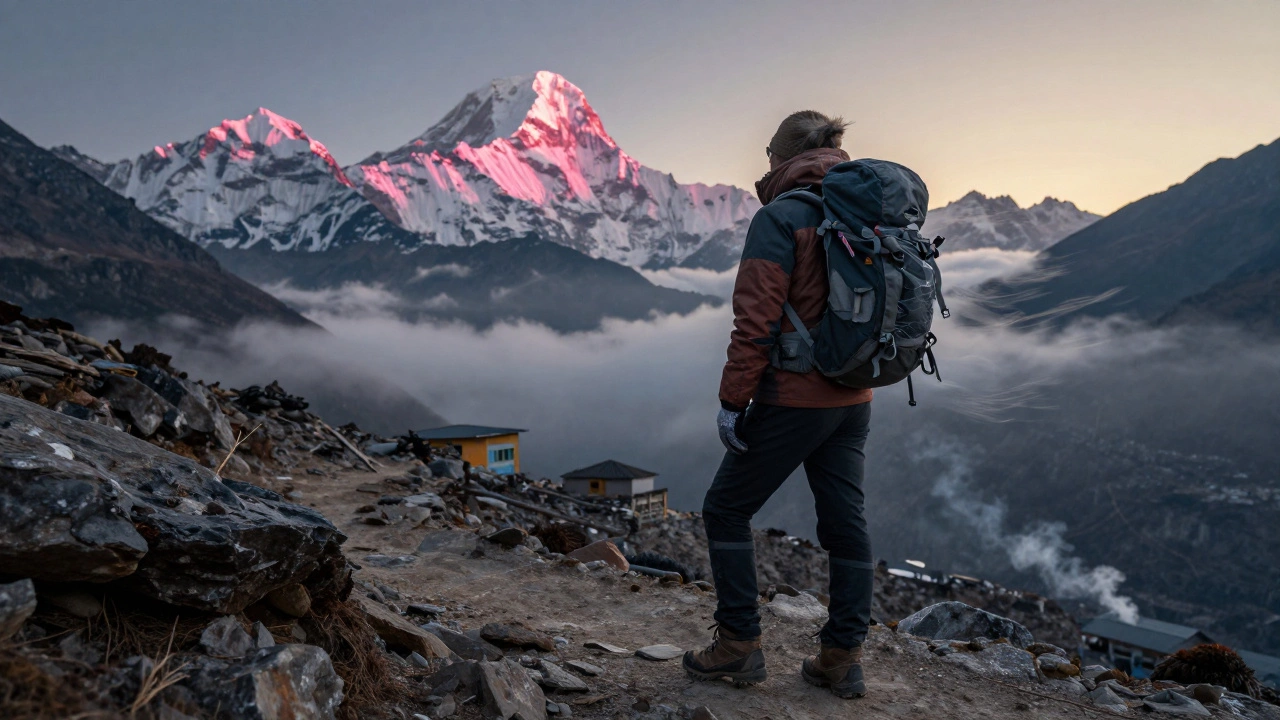
Nepal isn’t just a destination. It’s a rite of passage. The Everest Base Camp trek draws over 50,000 people every year, but most stick to the crowded trail. The real adventure? The Annapurna Circuit. It’s 160 miles of high mountain passes, remote villages, and monasteries clinging to cliffs. You’ll cross the Thorong La Pass at 17,769 feet - no cable cars, no shortcuts. You’ll sleep in teahouses with yak butter tea and thin blankets. The air gets so thin your head pounds. And when you finally see the sunrise over Annapurna South, you’ll understand why this is still the gold standard.
Why it wins: It’s affordable, accessible, and deeply cultural. You don’t need to be an elite climber. Just be ready to walk 6-8 hours a day for two weeks. The trail is well-marked, but the isolation? That’s real.
Patagonia, Chile and Argentina - Wild, wet, and wonderfully empty
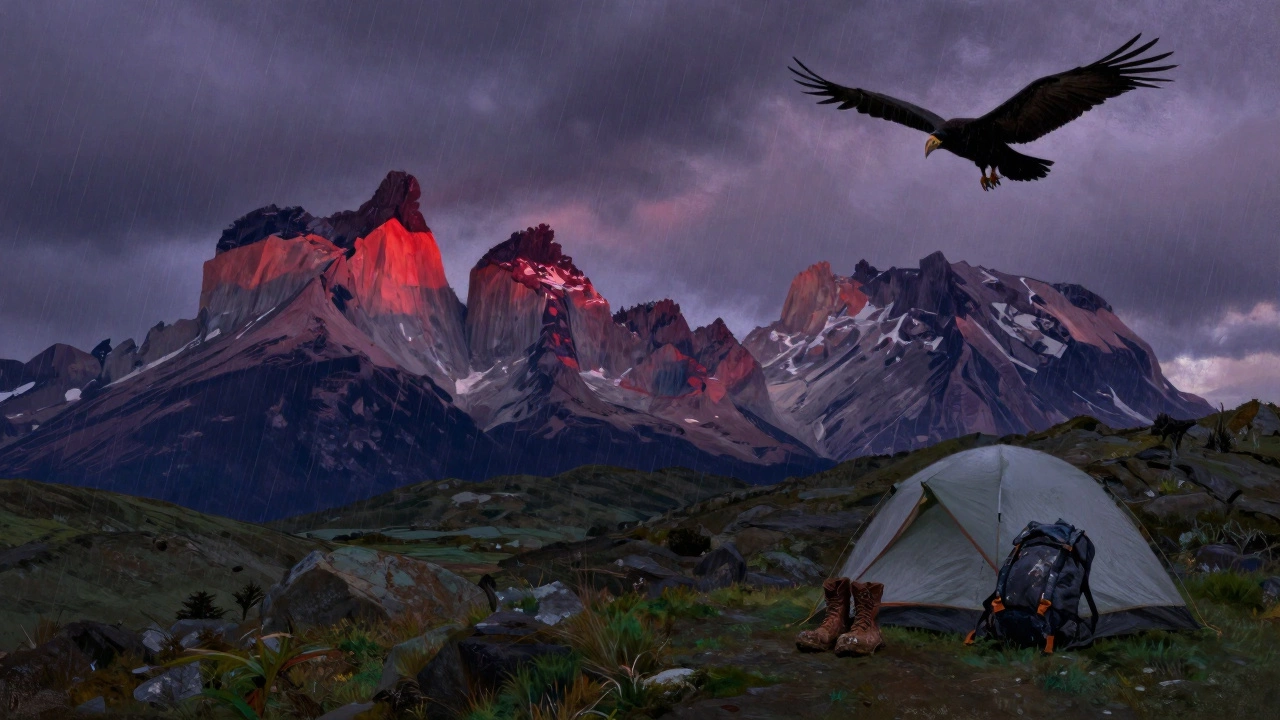
If you’ve seen photos of Torres del Paine, you’ve seen the postcard. But standing there? Wind howling at 50 mph, rain slashing sideways, and the granite towers glowing pink in the fading light - that’s something else. The W Trek is popular, but skip it. Go for the O Circuit. It adds 40 miles, crosses three remote valleys, and forces you to camp in places where the only other humans are park rangers with binoculars.
There’s also the Dientes de Carnaval hike in Tierra del Fuego - a 60-mile loop that’s less than 1,000 people do each year. You’ll cross glaciers on foot, ford icy rivers, and sleep in tents while condors circle overhead. The weather changes every hour. You’ll get soaked. You’ll be exhausted. And you’ll want to go back.
New Zealand’s South Island - Adventure built into the landscape
New Zealand doesn’t just have adventure. It’s engineered for it. Queenstown is called the adventure capital of the world for a reason. But you don’t need to bungee jump off a bridge to find the real thrill. Head to the Routeburn Track - a 20-mile alpine trail that slices through Fiordland National Park. You’ll walk through waterfalls, across suspension bridges, and past lakes so blue they look painted.
Or try the Kepler Track. It’s less crowded, equally stunning, and ends with a 1,000-foot climb up a scree slope that feels like climbing a mountain made of gravel. At night, the stars are so bright you can see the Milky Way as a solid band. No light pollution. No crowds. Just you and the Southern Cross.
And if you’re into water? The Kaituna River has the highest commercially rafted waterfall in the world - 7 meters of pure, churning chaos. You’ll need a helmet, a life jacket, and zero fear.
Peru’s Cordillera Blanca - High altitude, low crowds
Most people go to Peru for Machu Picchu. That’s fine. But if you want true solitude and raw mountain beauty, head north to the Cordillera Blanca. This range has over 600 peaks over 5,000 meters - more than any other tropical range on Earth. The Santa Cruz Trek is the standout. Four days. 45 kilometers. Glaciers, turquoise lakes, and condors soaring above you. You’ll pass through highland villages where Quechua women sell alpaca wool sweaters for $10. No Wi-Fi. No phones. Just the crunch of boots on gravel and the silence of thin air.
And here’s the secret: You can do this in February. The weather is stable. The snow has melted. The trails are dry. It’s the perfect window.
Madagascar - The island that feels like another planet
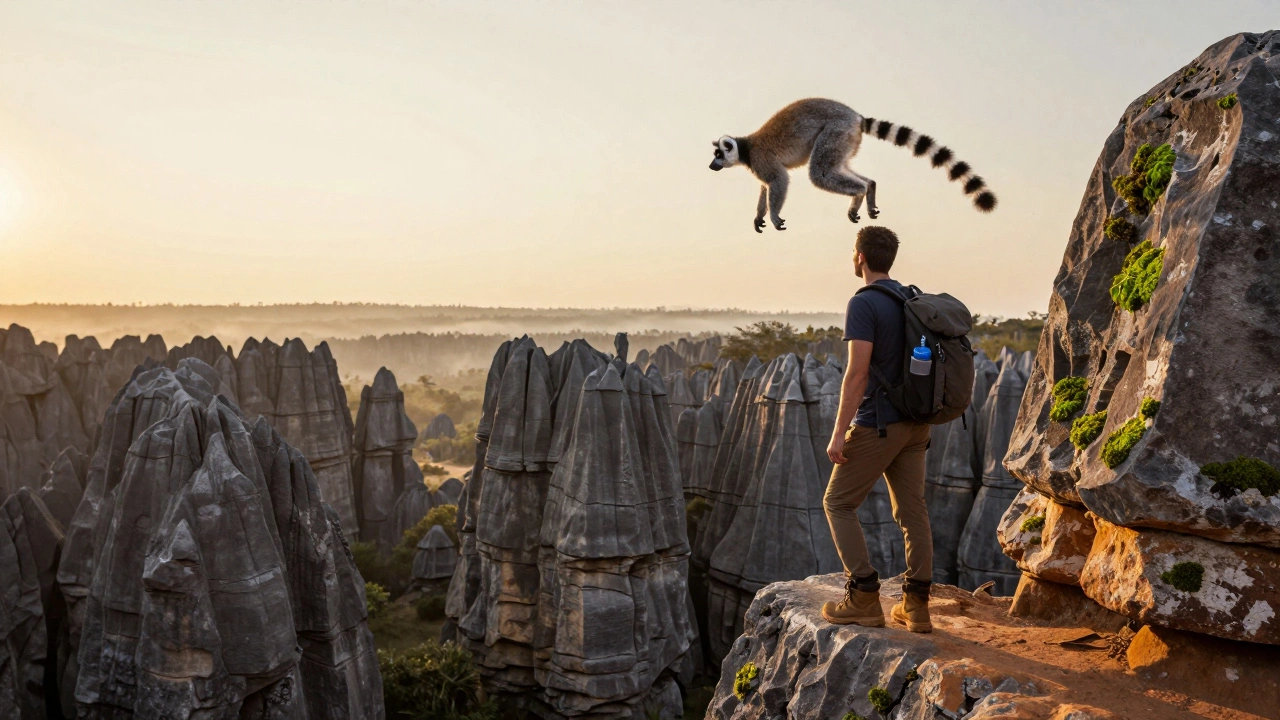
Forget safaris. Madagascar is where evolution went wild. The spiny forests of the south look like something from a sci-fi movie - twisted, thorny, alien. The tsingy formations near Ankarana are razor-sharp limestone needles you climb through like a maze. The Isalo National Park has canyons carved by ancient rivers, with waterfalls that drop into natural pools. And you’ll have it mostly to yourself.
There are no big tour groups here. You’ll hire a local guide with a 4x4 and a cooler of water. You’ll hike for days without seeing another tourist. At night, you’ll sleep in a basic lodge, then wake up to lemurs leaping through the trees. There are 100+ lemur species here - more than anywhere else on Earth. You’ll see them up close. Not in a zoo. In the wild.
It’s not easy. Roads are rough. Electricity is rare. But if you want to feel like the last person on Earth - this is it.
What makes a destination truly "best"?
There’s no magic formula. But the best adventure holidays share three things:
- Physical challenge - You’ll be tired. Really tired. Not from sitting on a bus, but from climbing, hiking, paddling, or carrying your own gear.
- Isolation - You won’t see 100 other people on the trail. You’ll hear your own breath.
- Authenticity - You’re not just passing through. You’re interacting with the land, the weather, the people. You’re part of the story.
Forget Instagram reels. The best adventures don’t look good on camera. They feel real. They leave marks - on your boots, your skin, your memory.
What to pack for any of these trips
- Waterproof hiking boots - broken in before you go
- Layered clothing - moisture-wicking base, insulating mid-layer, windproof shell
- Headlamp with extra batteries - you’ll need it
- Water filter - not just bottles. A Sawyer or LifeStraw
- First-aid kit - blister care, painkillers, antiseptic wipes
- Power bank - solar-powered if possible
- Small notebook and pen - you’ll want to write down what you see
Leave the fancy camera at home. Bring a phone with a good camera. You’ll take 10 photos. The rest? You’ll remember.
When to go
February 2026 is a great time to go. In Nepal and Peru, it’s the tail end of the dry season. In Patagonia, it’s summer - long days, mild temps. New Zealand’s South Island is in full swing. Madagascar’s rainy season is winding down. You’re hitting the sweet spot.
Is adventure travel safe?
Yes - if you prepare. Most adventure travel injuries come from poor planning, not bad luck. Always hire local guides in remote areas. Check weather forecasts daily. Tell someone your itinerary. Carry a satellite messenger like Garmin inReach. Avoid solo travel in high-risk zones. Respect local rules - especially in protected parks. Adventure isn’t about taking risks. It’s about managing them.
How much does an adventure holiday cost?
It varies wildly. Nepal’s Annapurna Circuit can cost as little as $500 for two weeks if you go independently - food, lodging, permits included. Patagonia? Around $1,500 if you camp and cook your own meals. New Zealand’s tracks are free to hike, but transport and gear rentals add $800-$1,200. Madagascar requires a guide and 4x4 - expect $1,800 minimum. The key? Skip luxury lodges. Sleep in basic huts. Cook your own food. You’ll save 60% and gain more authenticity.
Do I need to be fit for these trips?
You don’t need to be an athlete, but you need endurance. Train for at least 8 weeks before you go. Walk 5-7 miles a day with a 15-pound pack. Do stairs. Hike hills. Get used to breathing hard. Most people underestimate how tiring high altitude and uneven terrain are. If you can walk for 6 hours straight without stopping, you’re ready.
What if I get sick or injured?
Always get travel insurance that covers high-altitude trekking and emergency evacuation. In Nepal and Peru, local clinics handle minor issues. In Patagonia and Madagascar, you may need a helicopter rescue - that’s why insurance is non-negotiable. Carry basic meds: ibuprofen, anti-diarrheal, rehydration salts. Most guides carry first aid, but don’t rely on them for everything.
Can I do these trips alone?
Yes - and many do. Solo adventure travel is growing fast. But don’t go into remote areas without a guide. In Nepal, you can trek solo on marked trails. In Patagonia and Madagascar, local guides are required in national parks. Use apps like AllTrails or Komoot to check trail conditions. Tell someone your daily plans. Check in every 24 hours. The solitude is part of the reward - but safety is non-negotiable.
Final thought
The best adventure holiday isn’t the one with the most likes. It’s the one that leaves you quiet on the plane ride home - eyes tired, skin sunburned, boots muddy, heart full. You won’t find it on a brochure. You’ll find it when you’re standing on a ridge, wind in your face, and you realize you’re exactly where you’re supposed to be.