
Which Day is Cheapest to Book a Flight? The Truth About Airfare Timing
 Apr, 30 2026
Airfare Booking Strategy Planner
Your Optimal Strategy
Enter details to see the best time to buy.
Based on current airline demand trends.
Pro Tip Action Plan:
- Select a trip type to begin.
Fill in your trip details to discover how to maximize your savings.
You've probably heard the old travel wisdom: book your flights on a Tuesday at 3 AM to save hundreds of dollars. It sounds like a magic trick, but in 2026, the reality of airline pricing is much messier. The truth is, there isn't one single 'golden day' that guarantees a bargain. Instead, airlines use complex algorithms that change prices by the second based on how many people are searching for a specific route. If you're still waiting for a specific Tuesday to click 'buy,' you might actually be missing out on the lowest fare of the week.
To get a handle on this, we need to understand Dynamic Pricing, which is a flexible pricing strategy where businesses adjust prices in real-time based on current market demand, competitor pricing, and other external factors. For airlines, this means the price you see for a trip from Vancouver to Tokyo can change while you're still browsing the page. This system has largely replaced the old static schedules that made 'Tuesday' the magic day decades ago.
Quick Summary: How to Save on Airfare
- Stop obsessing over the day of the week you book; focus on the day you fly.
- Mid-week flights (Tuesday and Wednesday) are almost always cheaper than weekend flights.
- Use price tracking tools to alert you when fares drop.
- Book domestic flights 1-3 months in advance and international trips 2-8 months ahead.
- Clear your browser cookies or use incognito mode to avoid 'search-based' price hikes.
The Myth of the "Booking Day" vs. the "Flying Day"
There is a massive difference between the day you sit at your laptop to pay and the day the plane actually leaves the tarmac. While the internet is full of claims that booking on a Tuesday is cheaper, data from modern travel aggregators shows that the booking day has a negligible impact on the final price. What actually moves the needle is your cheapest day to book flights in terms of the actual departure date.
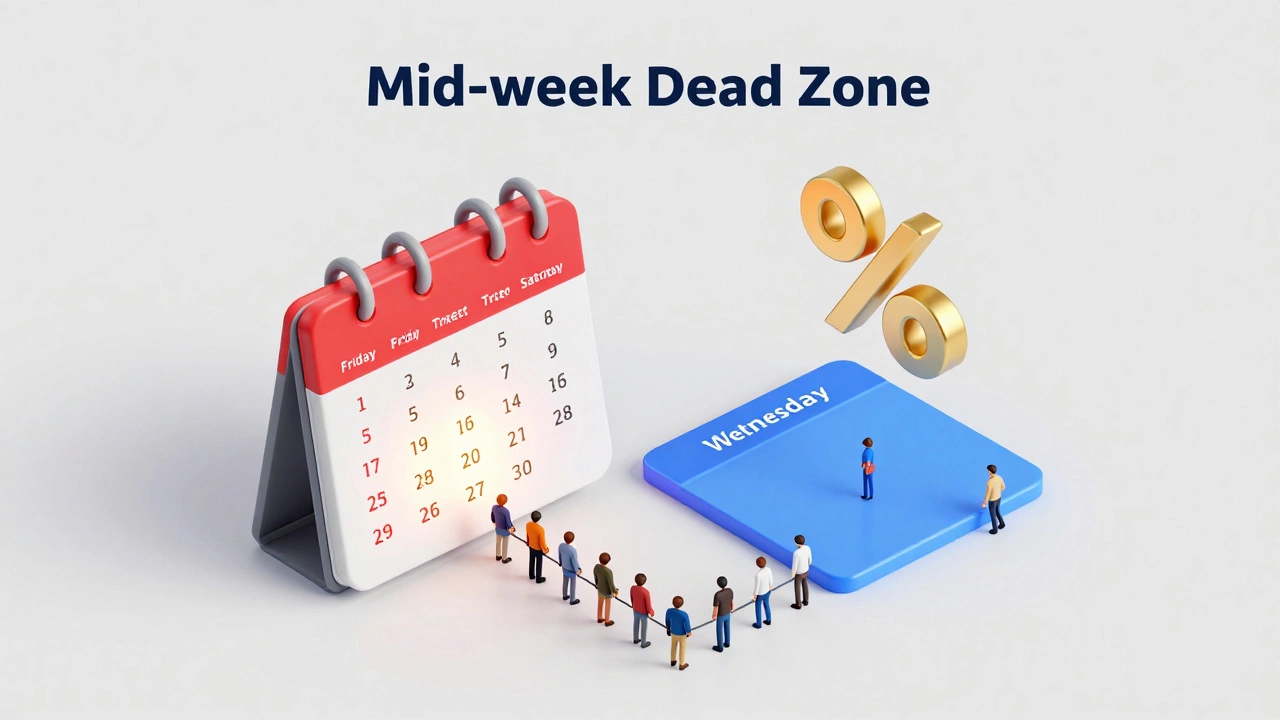
If you fly on a Friday or Sunday, you're paying a premium because that's when everyone else wants to travel. If you can shift your trip to depart on a Tuesday or Wednesday, you'll often see prices drop by 20% to 40%. This is because business travelers usually fly out Monday and return Friday, and vacationers crowd the weekends. The 'dead zone' in the middle of the week is where the bargains live.
| Factor | Impact on Price | Why? |
|---|---|---|
| Day you pay (Booking Day) | Low / Minimal | Algorithms update instantly regardless of the day. |
| Day you fly (Departure Day) | High | Demand peaks on weekends and holidays. |
| Time of day you fly | Medium | Red-eyes and early morning flights are cheaper. |
How Airlines Actually Set Prices
Airlines don't just pick a number. They use Revenue Management Systems, which are software tools that use historical data and predictive analytics to maximize the profit from every seat on a plane. These systems create 'fare buckets.' A plane might have 20 seats at $200, 40 seats at $300, and the rest at $500. As the cheaper seats sell out, the price automatically jumps to the next bucket.
This is why you see prices jump after you search for a flight three times in one hour. While airlines deny it, many travelers experience this as a result of Browser Cookies tracking your interest. When the site knows you're desperate to get to Mexico City for a specific date, they have no incentive to show you a lower price. Using a private window or a VPN can sometimes reset these triggers and show you the baseline fare.
The Ideal Booking Window: When to Pull the Trigger
Timing your purchase is more about the 'window' than the 'day.' For domestic hops, the sweet spot is usually 28 to 60 days before departure. If you book too early, you're paying for the airline's uncertainty; if you book too late, you're paying for the lack of remaining seats.
For international travel, the window widens. You want to be looking at flights roughly 3 to 6 months out. For example, if you're planning a summer trip to Europe from Canada, booking in February or March often yields the best results. Waiting until June is a gamble that usually ends with you paying double for a cramped middle seat.
Tools That Do the Hard Work for You
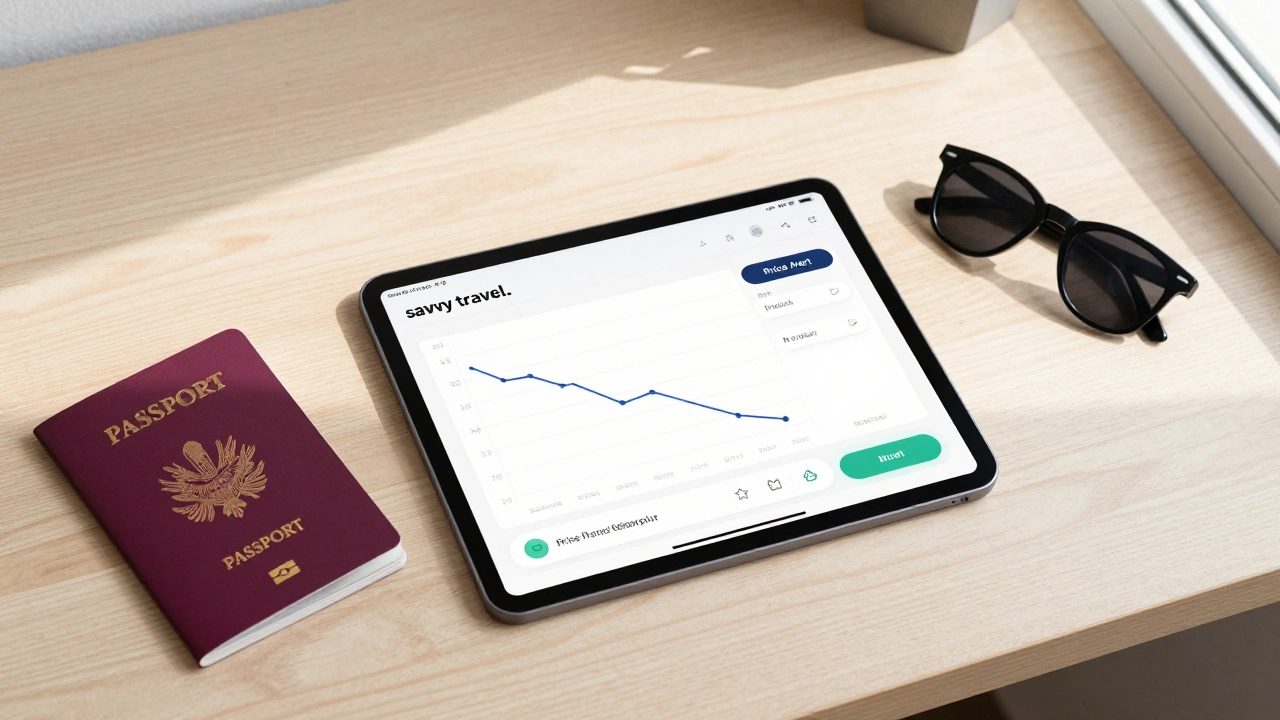
Since manually checking prices every day is a nightmare, let technology do it. Tools like Google Flights use massive amounts of data to tell you if the current price is 'low,' 'typical,' or 'high' compared to the last 12 months. This removes the guesswork. Instead of wondering if Tuesday is the day, you can see a graph of the actual price history for that specific route.
Another heavy hitter is Skyscanner, which is an aggregation service that searches hundreds of airlines and travel agents to find the cheapest available fare. A pro tip here is to use the 'Everywhere' search feature. If you just want a cheap holiday and don't care where you go, this tool shows you the cheapest destinations from your home airport, allowing you to pick the destination based on the price rather than the other way around.
Common Pitfalls to Avoid
One of the biggest mistakes people make is ignoring the 'hidden' costs. A budget airline like Ryanair or Spirit Airlines might show you a flight for $30, but by the time you add a carry-on bag and a seat selection, you're at $110. Often, a legacy carrier like Air Canada or Delta is actually cheaper once you add those essentials.
Also, beware of 'deal' emails that create a sense of urgency. "Only 2 seats left at this price!" is a classic psychological trigger designed to make you book without comparing other dates. Always check a few days before and after your target date. Moving your trip by just 24 hours can sometimes save you enough money to pay for two nights in a hotel.
Final Strategy for the Savvy Traveler
- Set a Price Alert: Use Google Flights to track your route for 4-8 weeks.
- Stay Flexible: Use the "Flexible Dates" view to see if flying on Wednesday is cheaper than Monday.
- Go Incognito: Always search in a private browser window to avoid tracking-based price hikes.
- Check Alternate Airports: If you're flying to London, check Gatwick and Stansted, not just Heathrow.
- Book the 'Sweet Spot': 1-3 months for domestic, 3-6 for international.
Is it actually cheaper to book on a Tuesday?
Not anymore. While this was true when airlines manually uploaded fares once a week, today's dynamic pricing algorithms change costs instantly. You're more likely to find a deal based on the date you fly than the date you click the purchase button.
Does using incognito mode really lower flight prices?
It can. Some booking sites use cookies to see if you've searched for the same route multiple times, which can signal high demand and lead to slight price increases. Using a private window ensures you see the standard public fare.
What is the cheapest day of the week to fly?
Generally, Tuesdays and Wednesdays are the cheapest days to fly. Mid-week travel has the lowest demand compared to the Friday-to-Sunday peak, which forces airlines to lower prices to fill seats.
How far in advance should I book my flight?
For domestic flights, aim for 1 to 3 months before departure. For international trips, the sweet spot is usually between 2 and 8 months. Booking too early or too late usually results in higher fares.
Are budget airlines always the cheapest option?
Not necessarily. Budget airlines use 'unbundled' pricing, meaning the base fare is low, but they charge for everything else (bags, seats, water). Always calculate the total cost including baggage before deciding if a budget airline is actually cheaper than a full-service carrier.
Does the time of day affect the price of a flight?
Yes. Flights that depart very early in the morning (5 AM - 6 AM) or late-night 'red-eyes' are typically cheaper because they are less convenient for most travelers.