
Why Adventure Holidays Are Worth Every Penny
 Sep, 20 2026
Adventure Holiday Finder
Assess Your Profile
Fill out the form to discover which adventure intensity suits you best.
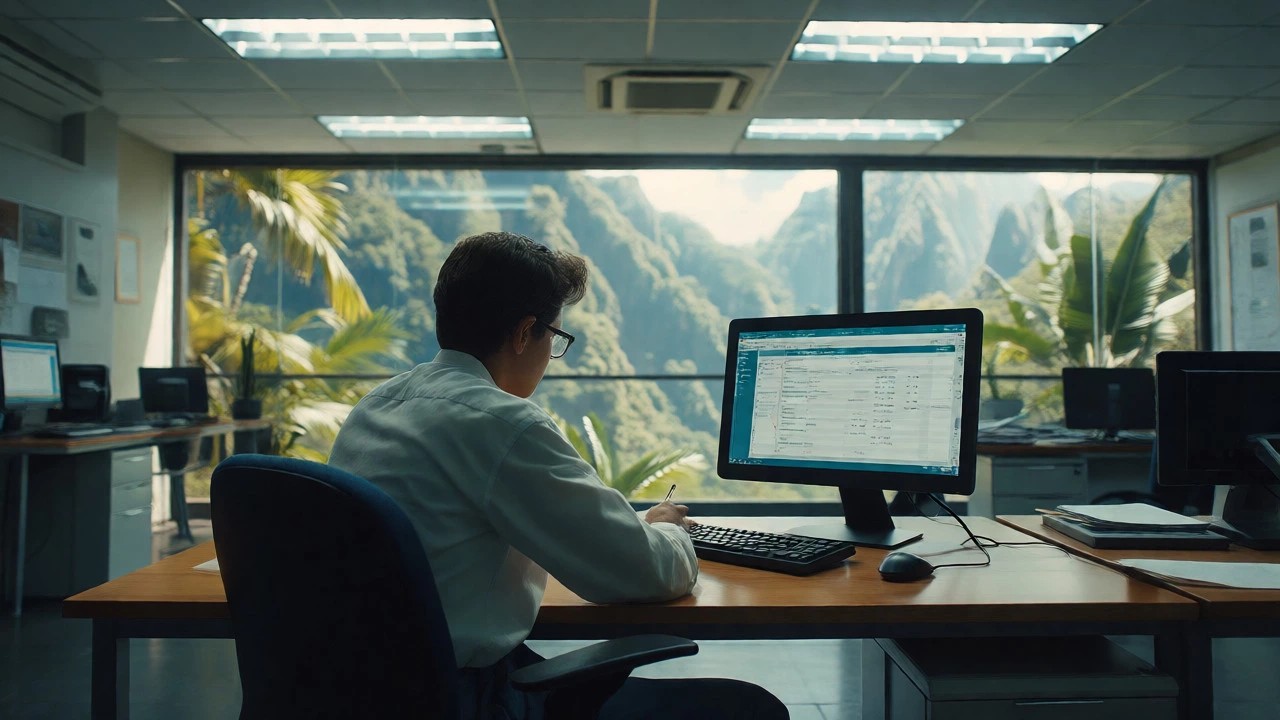
You’re sitting at your desk, staring at a spreadsheet that hasn’t changed in three hours. The air conditioning hums a monotone lullaby. You click on a tab titled "Beach Resort" and see pictures of people lying still under umbrellas. It looks nice. But does it make your heart race? Probably not.
Here is the truth: most vacations are designed to help you escape life, but adventure holidays are designed to help you find it again. They aren't just about adrenaline junkies jumping off cliffs. They are about engaging with the world so deeply that you return home feeling different than when you left. If you’ve been wondering if swapping your lounge chair for a hiking boot is worth the hassle, this guide breaks down exactly why taking an adventure holiday changes how you see yourself and the world around you.
The Psychology of Doing vs. Being
Standard vacations often leave us feeling more tired than before we left. Why? Because passive relaxation doesn't reset the brain; it just pauses it. When you sit on a beach for seven days, your mind continues to process work emails, social anxieties, and daily stresses in the background. There is no cognitive shift.
Adventure travel forces a state of "flow." This is a psychological concept identified by Mihaly Csikszentmihalyi, where you become fully immersed in an activity. When you are kayaking through white water or navigating a jungle trail, you cannot think about your mortgage. You have to focus on the next paddle stroke or the next root under your foot. This intense focus acts as a hard reset for your mental health. Studies on positive psychology suggest that activities requiring skill and challenge produce longer-lasting happiness than passive leisure. You don't just relax; you recharge by engaging.
Breaking the Comfort Zone Loop
Growth only happens outside your comfort zone. In your daily routine, you know exactly what to expect. You know which coffee shop has the best latte, which route avoids traffic, and how your boss reacts to late reports. This predictability is safe, but it is also stagnant.
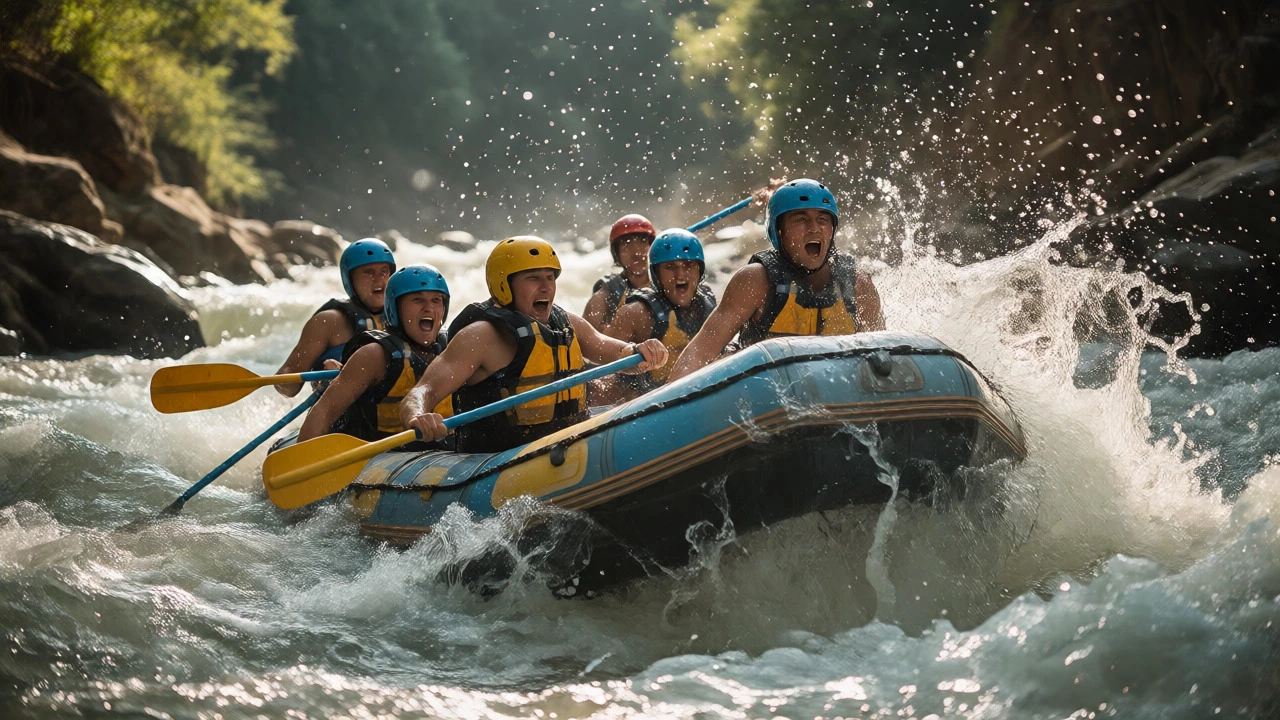
An adventure holiday disrupts this pattern violently but positively. Imagine trekking in Nepal or diving in the Great Barrier Reef. Suddenly, you don't control the environment; you adapt to it. The weather changes, the terrain shifts, and plans go awry. Navigating these uncertainties builds resilience. You learn that you can handle discomfort. That cold morning start on a mountain isn't just suffering; it's proof of your capability. When you return to the office, a difficult client meeting feels manageable because you’ve already navigated a river rapid that nearly capsized your raft.
Authentic Connection Over Tourist Spectacle
There is a difference between seeing a place and experiencing it. Traditional tourism often keeps you in a bubble. You fly in, take a bus to a hotel, eat at a tourist restaurant, and buy a souvenir. You see the postcard version of a country, but you miss the texture of its reality.
Adventure travel pulls you into local ecosystems and communities. To climb Kilimanjaro, you hire local guides who share stories passed down through generations. To surf in Costa Rica, you interact with local shapers who fix boards and talk about ocean conservation. These interactions are transactional in a traditional sense, but they become relational in an adventure context. You rely on each other. You share meals after a long day of physical exertion. These bonds form faster and deeper because shared struggle creates camaraderie. You aren't just observing culture; you are participating in it alongside locals.
| Feature | Passive Beach Holiday | Adventure Holiday |
|---|---|---|
| Mental State | Relaxed but potentially bored; mind wanders | Focused; high engagement in present moment |
| Social Interaction | Superficial; limited contact with locals | Deep; shared challenges build strong bonds |
| Memory Retention | Vague; days blend together | Vivid; specific sensory details stand out |
| Post-Holiday Feeling | Jet-lagged; need recovery time | Energized; motivated to change routines |
| Physical Impact | Sedentary; potential weight gain | Active; improved fitness and vitality |
The Science of Memory Making
Have you ever tried to remember what you did last Tuesday? Probably not. Now, try to remember the time you got lost in a city abroad or successfully summited a peak. It’s easy, right?
This is due to how our brains encode memories. Routine events are stored in a compressed format because they lack emotional significance. Novelty triggers the release of dopamine and norepinephrine, neurotransmitters that enhance memory consolidation. Adventure holidays are packed with novelty. The smell of pine in a forest, the taste of street food eaten after a hike, the sound of wind at high altitude-these sensory inputs create rich, multi-layered memories. Years later, you won't remember the brand of sunscreen you used on a standard beach trip, but you will remember the fear and triumph of zip-lining over a canyon. You are investing in stories that will define your personal narrative.
Reconnecting with Nature’s Rhythm
We live in a digital age where we are disconnected from natural cycles. We wake up to alarms, not sunlight. We eat when apps tell us to, not when we are hungry. This disconnection contributes to stress and anxiety disorders.
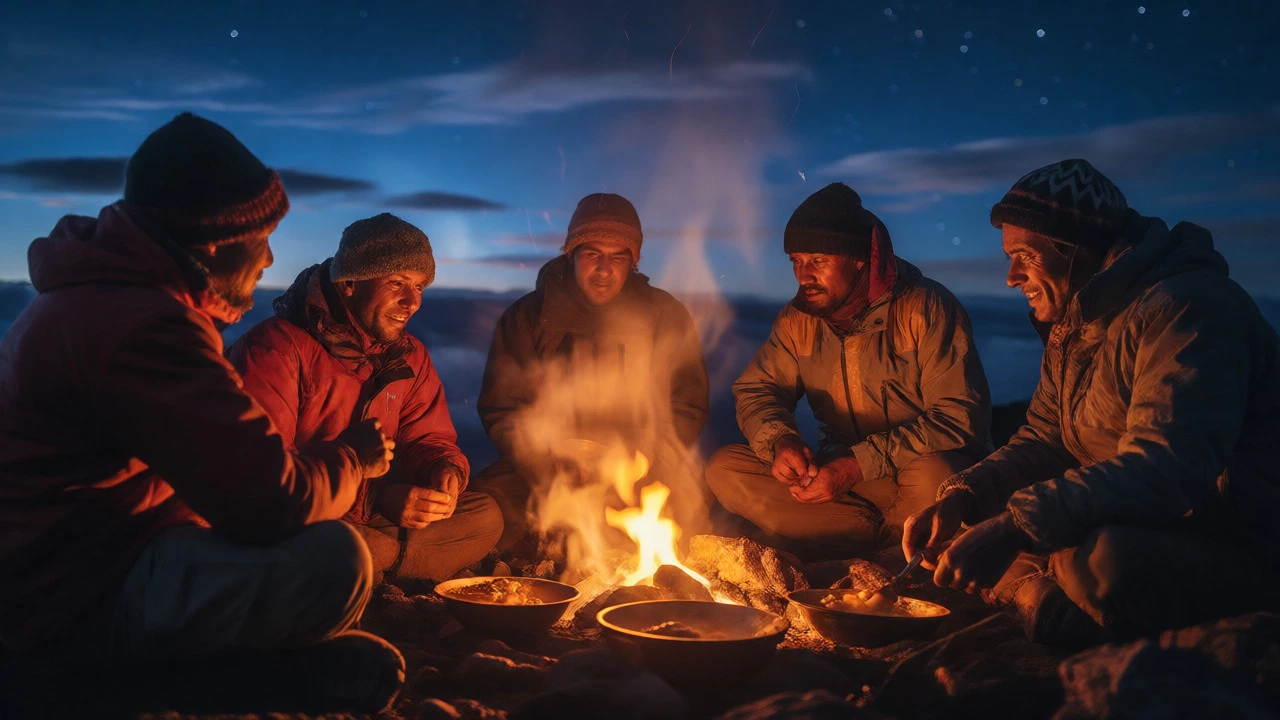
Adventure holidays force you back into sync with nature. Whether you are camping in the Scottish Highlands or sailing in the Greek Islands, your schedule becomes dictated by daylight, weather, and tides. You learn to appreciate silence. You notice the stars because there are no city lights. This reconnection provides perspective. Seeing the vastness of the Grand Canyon or the depth of the ocean makes personal problems feel smaller. It’s a humbling experience that reduces ego-driven stress. You realize you are part of a larger system, not the center of the universe.
Health Benefits Beyond the Gym
Let’s be honest: going to the gym is often a chore. Adventure travel turns exercise into exploration. You aren't running on a treadmill watching TV; you are cycling along the Amalfi Coast or rock climbing in Yosemite. The physical exertion feels like play rather than work.
This type of movement engages different muscle groups and improves coordination in ways repetitive gym workouts do not. Plus, being outdoors increases vitamin D exposure, which boosts mood and immune function. Many people return from adventure trips sleeping better and eating healthier, not because they went on a diet, but because their bodies felt good when they moved naturally. It resets your relationship with physical activity, making you more likely to stay active once you get home.
Who Is This For? (It’s Not Just for Extremes)
A common misconception is that adventure holidays require elite fitness levels or extreme risk tolerance. This isn't true. "Adventure" exists on a spectrum.
- Soft Adventure: Gentle hiking, cultural walking tours, snorkeling, or cycling flat paths. Ideal for beginners, families, or older travelers.
- Medium Adventure: Multi-day treks, scuba diving courses, skiing, or horse riding. Requires some preparation but no professional skills.
- Hard Adventure: Mountaineering, whitewater rafting grade IV+, remote expeditions. Requires training, gear, and higher risk management.
You choose the level that matches your curiosity and capability. The point isn't to conquer Everest; it's to push your personal boundary slightly further than usual.
Practical Steps to Start Your First Adventure Trip
If you are convinced, here is how to move from dreaming to doing without getting overwhelmed.
- Pick one interest: Do you love water? Look into kayaking or sailing. Love heights? Try ziplining or via ferrata. Don't try to do everything at once.
- Assess your fitness honestly: Be realistic. If you haven't run in five years, don't book a marathon trek immediately. Choose activities that allow for gradual progression.
- Research operators carefully: Look for companies with safety certifications and good reviews on platforms like TripAdvisor or Trustpilot. Ask about group sizes; smaller groups usually mean better guidance and safety.
- Prepare mentally: Accept that things might go wrong. Rain might delay a hike. A boat might break down. Flexibility is the key skill in adventure travel.
- Pack light: Heavy bags slow you down. Focus on versatile clothing layers and essential gear. Most adventure destinations have shops where you can buy forgotten items.
The Long-Term Ripple Effect
The value of an adventure holiday extends far beyond the flight home. It changes your identity. You stop calling yourself someone who "doesn't travel much" and start calling yourself an explorer. This shift influences your career choices, your hobbies, and your relationships. You become more open to new experiences in general. You might start trying new foods, learning new languages, or taking risks in your job because you’ve proven to yourself that you can handle the unknown.
In a world that often feels scripted and predictable, choosing adventure is an act of rebellion against mediocrity. It’s a declaration that you want to live fully, not just exist comfortably. So, the next time you plan a vacation, ask yourself: Do I want to rest, or do I want to grow? The answer might just change your life.
Are adventure holidays dangerous?
Like any activity, they carry some risk, but reputable operators manage this through training, equipment checks, and insurance. Statistically, driving to the airport is often more dangerous than guided hiking or snorkeling. The key is choosing certified providers and following safety instructions strictly.
Do I need to be very fit to go on an adventure holiday?
No. Adventure holidays come in all intensities. "Soft adventure" options like gentle cycling, bird watching, or short hikes require minimal fitness. Always check the difficulty rating of a specific trip and choose one that matches your current physical condition.
How much do adventure holidays cost compared to beach vacations?
Costs vary widely. A weekend camping trip can be cheaper than a luxury resort stay. However, specialized adventures like mountaineering or deep-sea diving can be more expensive due to gear, guides, and permits. Generally, mid-range adventure trips offer comparable value to all-inclusive packages but provide richer experiences.
Can I go on an adventure holiday alone?
Yes, many operators cater specifically to solo travelers. Group adventures are great for meeting people, while self-guided options offer independence. Solo travel enhances the introspective benefits of adventure, allowing for deeper personal reflection.
What should I pack for my first adventure trip?
Focus on layers, moisture-wicking fabrics, and broken-in footwear. Avoid cotton, which stays wet. Bring a reusable water bottle, sun protection, and a small first-aid kit. Check with your operator for a specific packing list, as some activities require specialized gear they may provide.