
Why is the UK so expensive to visit? Costs, tips & 2026 guide
 Nov, 22 2026
UK Trip Cost Estimator
Fill in the details to see your estimated budget.
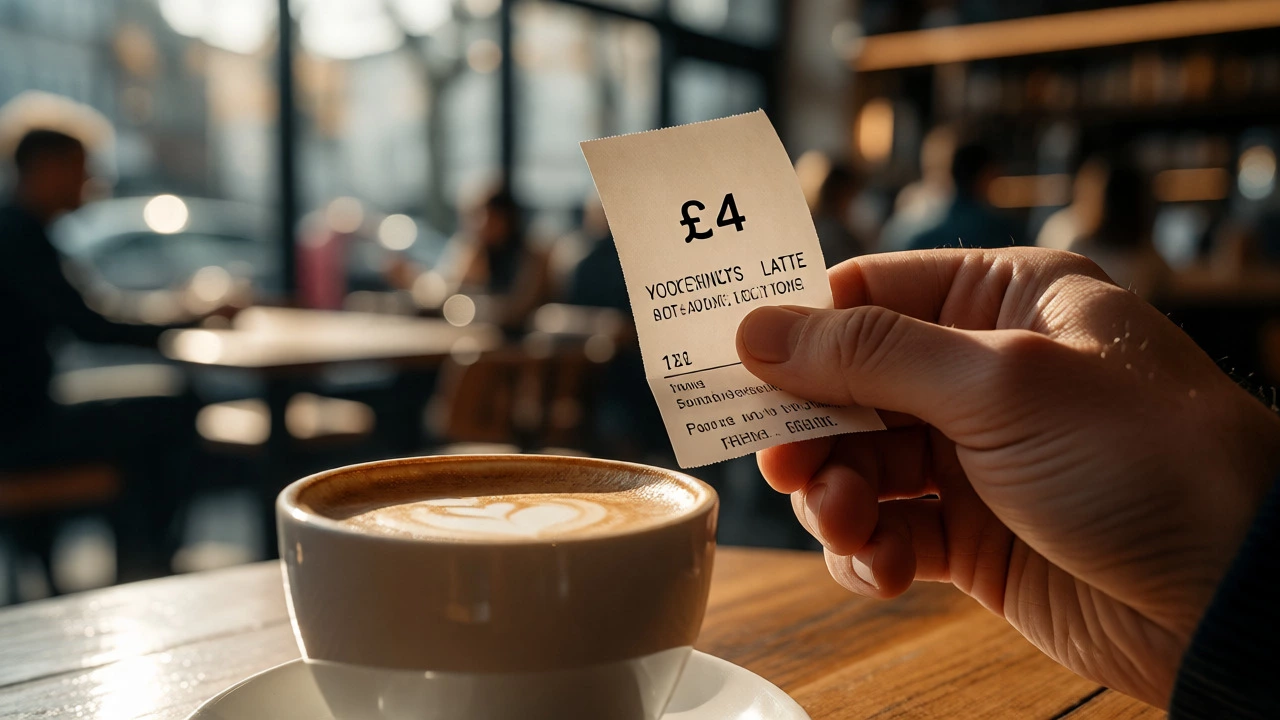
You land at Heathrow, grab a coffee, and suddenly your wallet feels lighter. A £4 latte? Really? If you’ve ever wondered why the UK drains your bank account faster than most European neighbors, you’re not imagining it. The UK consistently ranks among the priciest destinations in Europe for visitors, and frankly, the price tags can be shocking if you aren’t prepared.
But here’s the thing: understanding why things cost what they do gives you power. It helps you decide where to splurge and where to save. Is it the exchange rate? Hidden taxes? Or just plain greed? Let’s break down the real reasons behind those steep bills and how you can still enjoy Britain without going broke.
The Pound Sterling Factor
Let’s start with the big one: currency. For many international travelers, especially those coming from the US, Canada, or parts of Asia, the strength of the Pound Sterling (GBP) is the primary culprit. When the pound is strong against your home currency, everything in the UK effectively becomes more expensive. Even if local prices haven’t changed, your purchasing power has dropped.
Consider this: if you’re traveling from North America, the conversion rates often make mid-range hotels look like luxury suites back home. This isn’t just about the hotel bill; it affects every transaction. That souvenir mug that looks cheap in London might cost double when converted back to dollars or euros. Keeping an eye on exchange rates before booking is step one. But don’t blame the bank entirely-local inflation plays a huge role too.
Inflation and the Cost of Living Crisis
Over the past few years, the UK has faced significant inflation. While global economies struggled post-pandemic, the UK saw energy costs skyrocket. Since businesses pay higher bills for electricity and gas, they pass those costs onto you. Your hotel room rate includes the cost to heat the building. Your dinner at a pub includes the cost to keep the kitchen running. It’s simple economics, but it hurts when you’re on vacation.
This ripple effect hits services hardest. Labor costs have risen as workers demand higher wages to cope with living expenses. You’ll notice this in service charges at restaurants and tips for tour guides. These aren’t arbitrary additions; they reflect the real cost of employing people in high-cost cities like London, Edinburgh, or Manchester. Ignoring these hidden costs leads to sticker shock at checkout.
Accommodation: Where Most Budgets Break
If there’s one line item that ruins budgets, it’s lodging. In major hubs, hotel prices are driven by scarcity and location. London, for instance, has limited space. Building new hotels is slow and regulated. So, supply stays tight while demand remains high. Basic rooms in central locations can easily hit £150-£200 per night. Compare that to similar standards in Eastern Europe or Southern Spain, and the difference is stark.
Airbnb and short-term rentals offer alternatives, but regulations have tightened. Cities like Edinburgh and London now require permits for hosts, reducing the number of available listings. Fewer options mean higher prices. Plus, cleaning fees and service charges add up quickly. Always calculate the total cost, not just the nightly rate, when comparing platforms.
| City | Budget Hotel (Night) | Mid-Range Hotel (Night) | Airbnb Average (Night) |
|---|---|---|---|
| London | £90 - £120 | £180 - £250 | £140 - £180 |
| Edinburgh | £70 - £100 | £130 - £180 | £110 - £150 |
| Manchester | £60 - £85 | £110 - £150 | £90 - £120 |
| Brighton | £75 - £105 | £140 - £190 | £120 - £160 |
Transportation: Trains Are Not Cheap
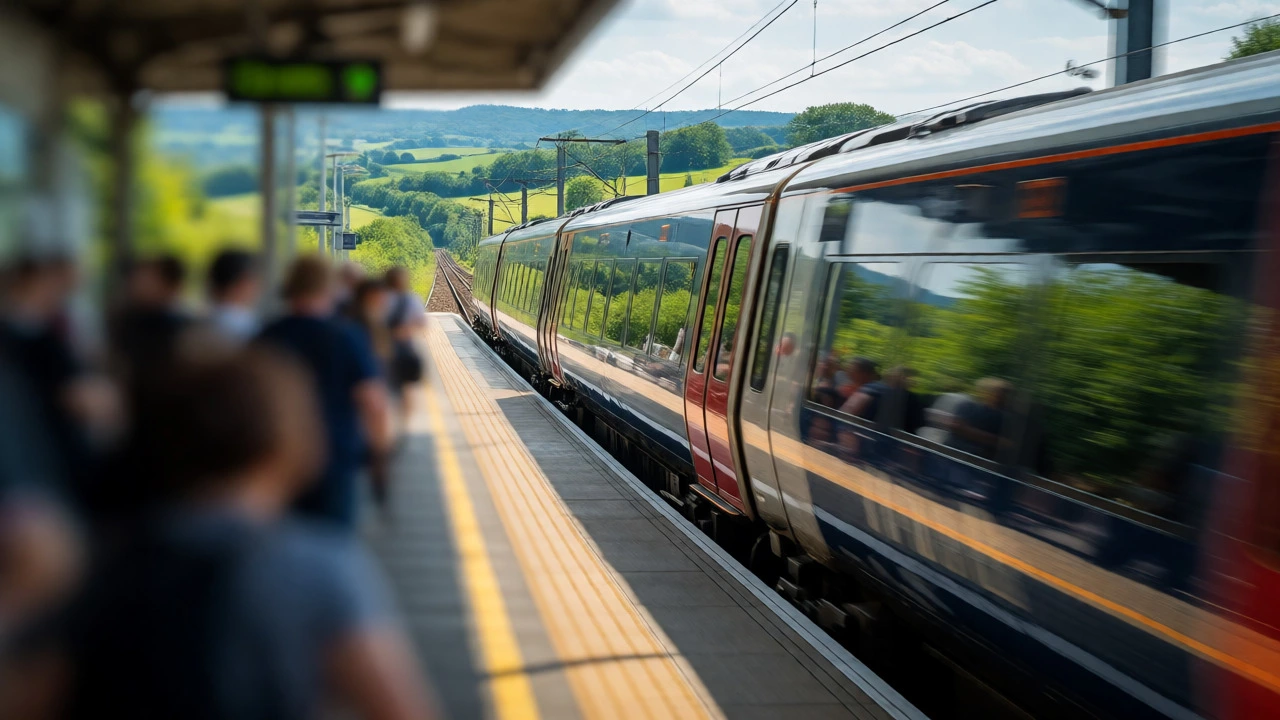
Many visitors assume public transport will save them money compared to renting a car. Sometimes true, sometimes false. The UK rail network is extensive, but it’s notorious for variable pricing. Book a ticket two minutes after it goes on sale, and you might pay £15. Buy it last minute, and you could pay £80 for the same seat. There’s no fixed price; it’s dynamic, based on demand and timing.
Then there’s the tube and buses in London. Contactless payments are convenient, but daily caps can add up if you hop around all day. Outside London, rural areas lack reliable public transport. If you want to see the Lake District or Scottish Highlands, you often need a rental car. Fuel prices in the UK are among the highest in Europe due to heavy taxation. Combine fuel with expensive parking in tourist towns, and driving becomes a costly hobby.

Dining Out: The Pub Premium
Eating out in the UK isn’t what it used to be. A pint of beer averages £5-£7 in cities. A main course at a casual restaurant starts at £15-£20. Add a drink and a tip, and a meal for two can easily exceed £60. Why? Again, overheads. Rent for prime locations is astronomical. Staff wages have increased. Ingredients cost more due to import duties and logistics post-Brexit.
However, you can eat well for less. Supermarkets like Tesco and Sainsbury’s offer ready-made meals for £3-£5. Pubs serve hearty Sunday roasts that feed two people for the price of one fancy entrée elsewhere. Avoid tourist traps near landmarks; walk two blocks away, and prices drop significantly. Look for "pub grub" rather than "gastropub" if you want value.
Attractions and Entry Fees
Historic sites charge admission. The Tower of London, Stonehenge, and Windsor Castle all have entry fees ranging from £20 to £30 per adult. Multiply that by four family members, and a single afternoon activity costs over £100. Many of these sites are managed by English Heritage or the National Trust, organizations that rely on visitor fees for maintenance.
Is it worth it? Often, yes. But plan ahead. Buying tickets online in advance usually saves 10-15% compared to gate prices. Also, consider membership passes. If you’re staying a week and hitting multiple castles, a National Trust membership might pay for itself. Just check the current rates, as they adjust annually.
How to Visit Without Breaking the Bank
So, is the UK unaffordable? No. It’s just expensive if you travel passively. Here’s how to fight back:
- Travel Off-Peak: July and August are peak season. Prices soar. Visit in May, September, or October. Weather is decent, crowds are thinner, and rates drop by 20-30%.
- Stay Outside City Centers: A train ride into London from zones 3-5 is cheap and fast. Same goes for Edinburgh. Save on accommodation by staying slightly further out.
- Use Railcards: If you’re under 26, over 60, or traveling as a couple, buy a Railcard. It offers 1/3 off most train fares. It pays for itself after two trips.
- Self-Catering: Choose apartments with kitchens. Breakfast and lunch at home cuts food costs in half. Enjoy dinner out as a treat, not a routine.
- Free Attractions: London’s world-class museums-the British Museum, Tate Modern, Natural History Museum-are free. Use them to fill days when you’d otherwise spend money on paid tours.
Regional Differences Matter
Not all of the UK costs the same. London is the outlier. Travel north to Newcastle or west to Liverpool, and your money stretches further. Hotels are cheaper, meals are more affordable, and attractions often have lower entry fees. Wales and Scotland offer stunning scenery with varying price points. The Scottish Highlands can be pricey in summer, but the Central Belt is reasonable.
Compare this to staying in Brighton or Bath, which command premium prices due to their boutique appeal. If budget is tight, prioritize regions known for value. Research specific towns before booking. A quick search for "average hotel price in [town name]" reveals surprising differences between neighboring areas.
Frequently Asked Questions
Is tipping mandatory in the UK?
No, tipping is not mandatory, but it is customary. In restaurants, a 10-12.5% service charge is often added automatically to the bill. Check before adding extra cash. For taxis and hairdressers, rounding up or leaving 10% is polite but not required.
Are credit cards accepted everywhere in the UK?
Yes, contactless card payments are ubiquitous. You can use cards for everything from bus fares to market stalls. However, some small pubs or rural B&Bs may prefer cash, so carrying £20-£50 in notes is wise.
Do I need a visa to visit the UK?
It depends on your nationality. Citizens of the EU, US, Canada, Australia, and many other countries can enter visa-free for tourism stays up to six months. Always check the latest UK government guidelines before traveling, as rules can change.
Is tap water safe to drink in the UK?
Absolutely. Tap water in the UK is safe, clean, and highly regulated. Ordering a glass of tap water in a restaurant is normal and usually free. Bring a reusable bottle to save money and reduce plastic waste.
Why are flights to the UK sometimes expensive?
Flight prices depend on route competition, fuel surcharges, and airport taxes. Heathrow has high landing fees. Flying into regional airports like Manchester or Edinburgh can sometimes be cheaper, especially if you live in northern England or Scotland.
Final Thoughts on Value vs. Price
The UK is expensive, but it delivers quality. The history is tangible, the culture is vibrant, and the landscapes are dramatic. You’re paying for access to centuries of heritage and modern conveniences. If you plan smartly-booking trains early, eating like a local, and choosing your base wisely-you can manage the costs. Don’t let the price tag scare you off; just respect it and plan accordingly.